Stop Just “Heating” Your Phones
Let’s be honest: a standard heat gun is a blunt instrument. It’s like trying to perform surgery with a sledgehammer. When you’re staring at a multi-layered PCB or fighting with stubborn industrial adhesives, just “getting it hot” isn’t enough. You need to hit a very specific temperature in one tiny spot without baking everything else around it. That’s where the real magic happens.
Why IR Beats Hot Air
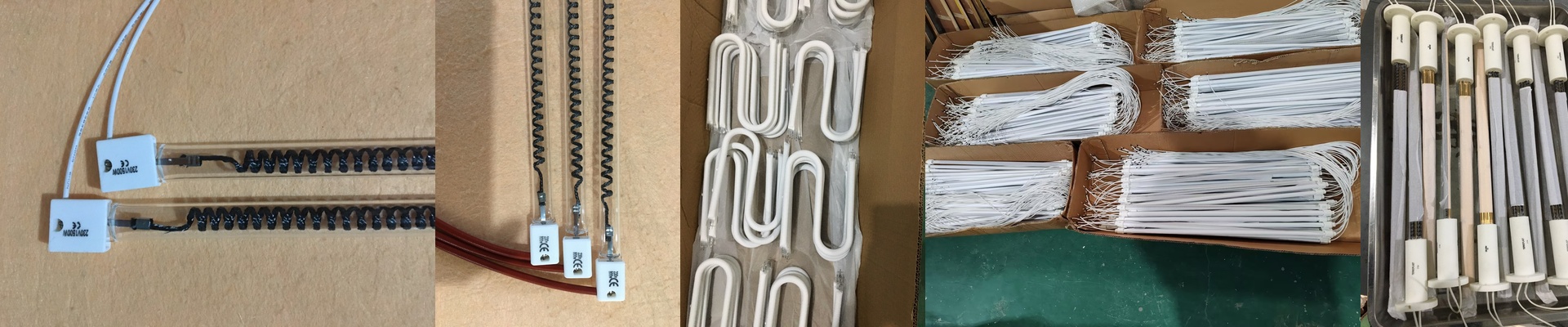
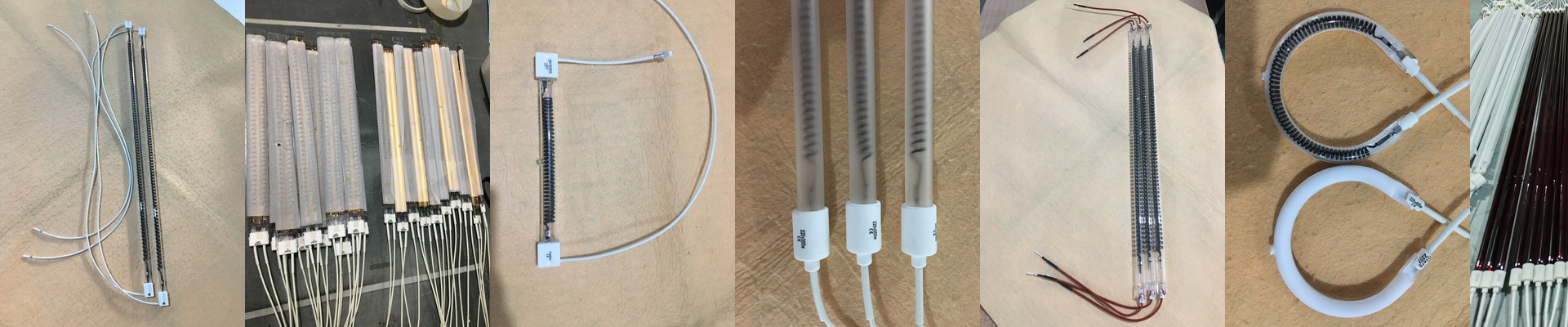
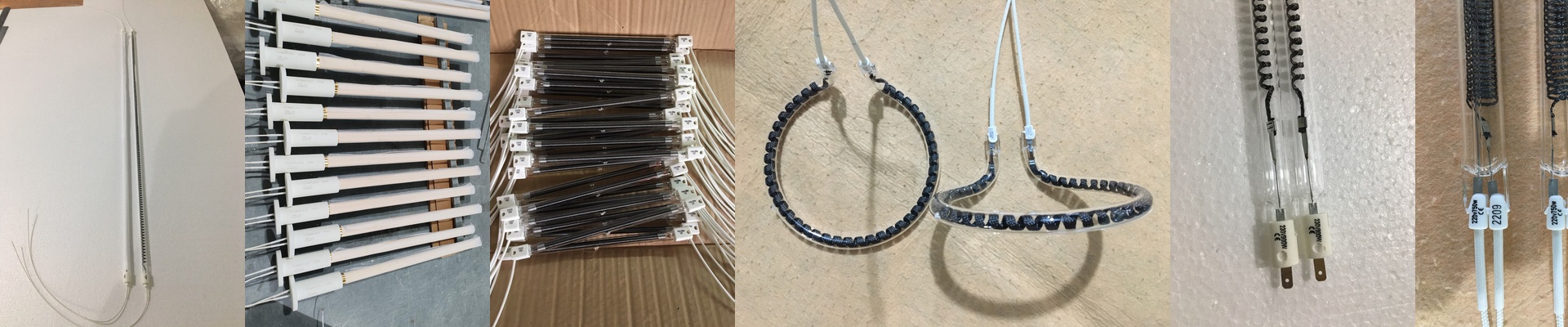
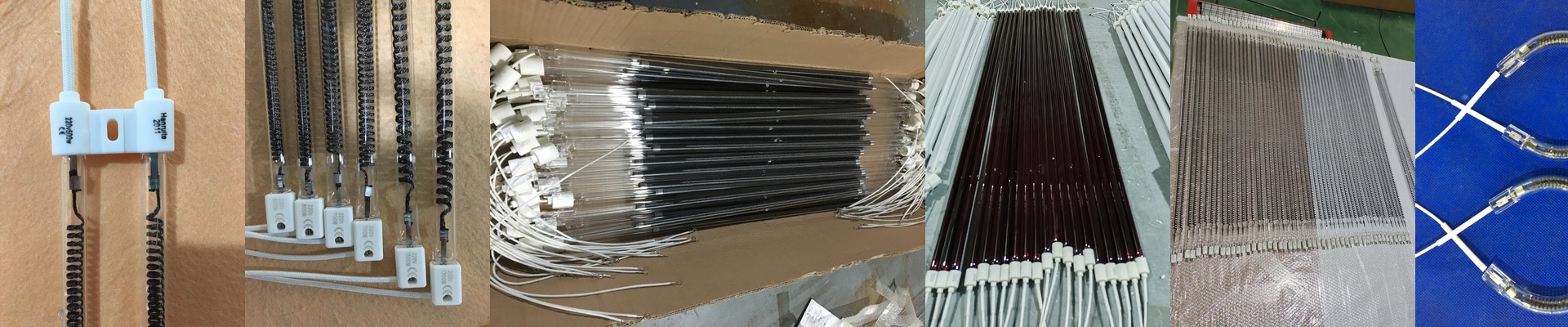
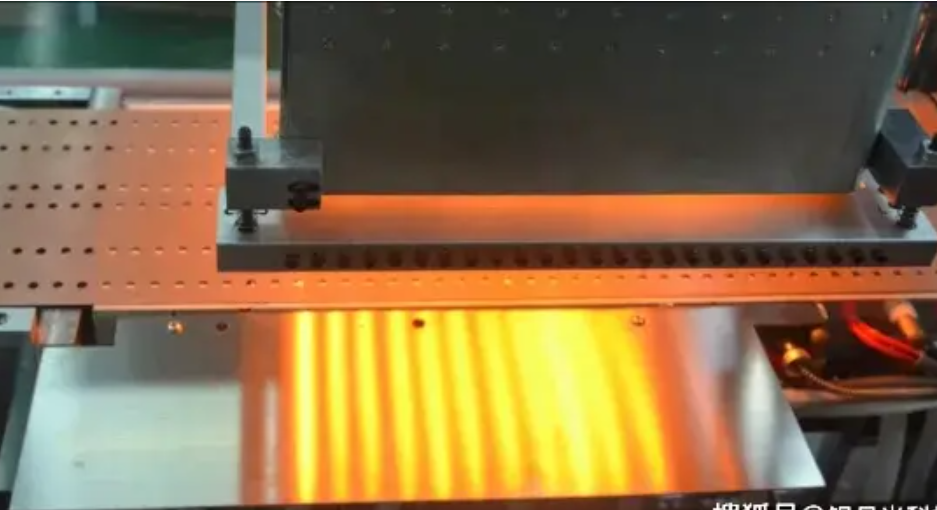
We use short-wave infrared (IR) lamps for a reason. Think about convection heating—it’s just blowing hot air around. That air goes everywhere. It creeps into places it shouldn’t, frying nearby capacitors or warping the chassis before you even realize what happened. IR is different. It sends energy straight into the material. It’s focused. It’s clean. Plus, we’ve tuned these lamps to keep the heat flat across the board, so you don’t end up with a scorched center and ice-cold edges.
The Gear and the Grind
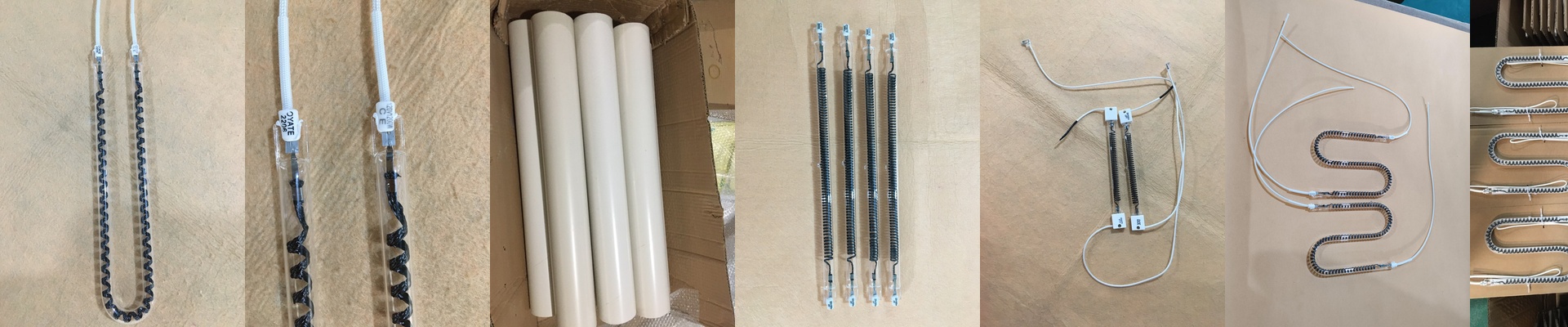
Speed matters when you’ve got a pile of devices waiting on your bench. We use high-wattage quartz elements because they ramp up fast. You aren’t sitting there staring at a lamp waiting for it to get warm; you’re actually working. But here’s a pro tip: don’t just crank it to 100% and leave it. If you run these lamps at full blast constantly, you’ll burn through the filaments way too quickly. It’s much smarter to pulse the power or use a PID controller to keep things steady. Your hardware will thank you.
The Danger Zone: Power vs. Control
High-intensity lamps are incredible for softening adhesives in a matter of seconds. But there’s a catch. The gap between “perfectly melted” and “completely charred” is tiny. If your voltage drifts by even 5%, you’re risking a delaminated screen or a dead OLED layer. It happens fast. That’s why you can’t guess. You need accurate thermocouples to keep an eye on things and make sure you stay in the safe zone.