Stop Blasting Your Boards: A Better Way to Heat Smart Watch Repairs
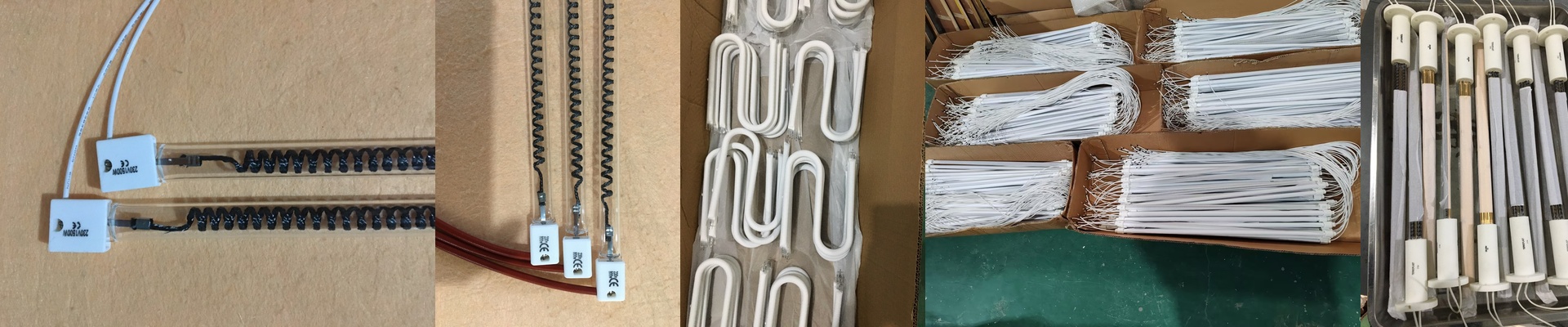
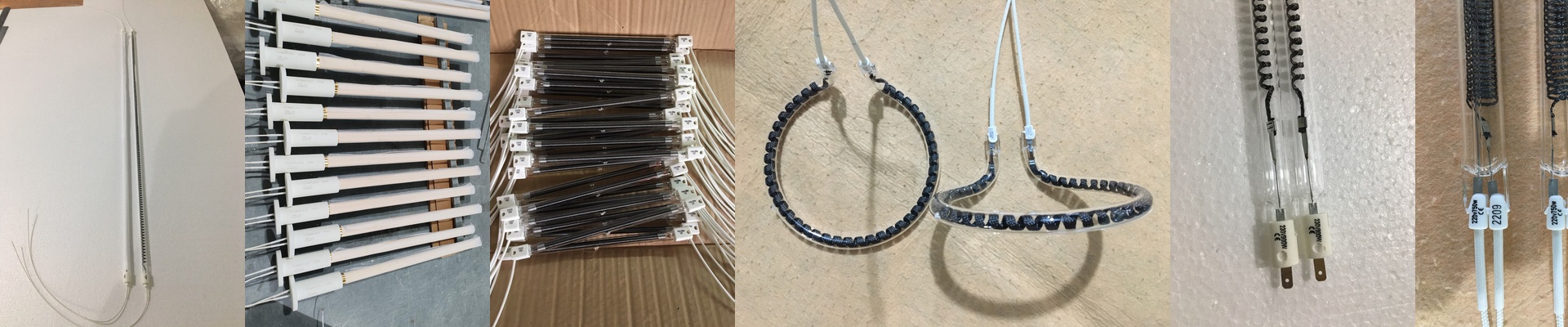
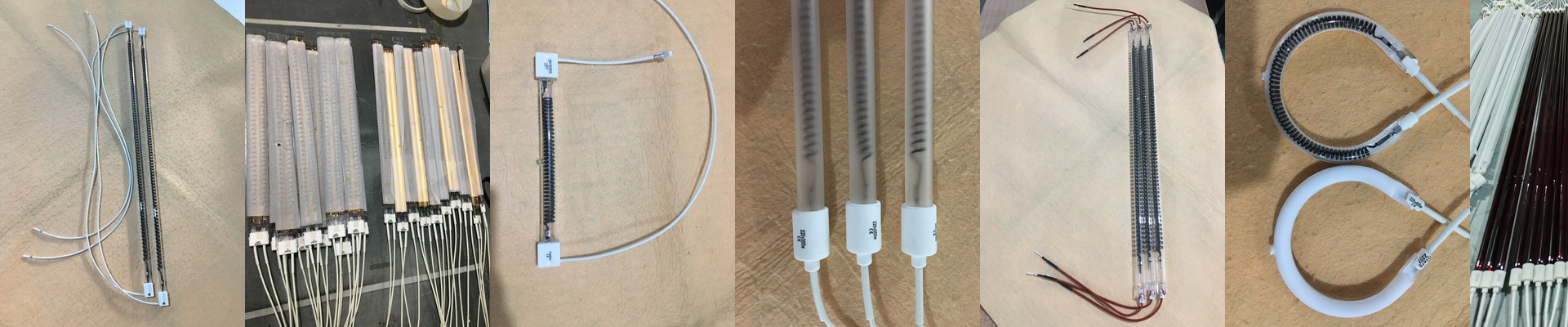
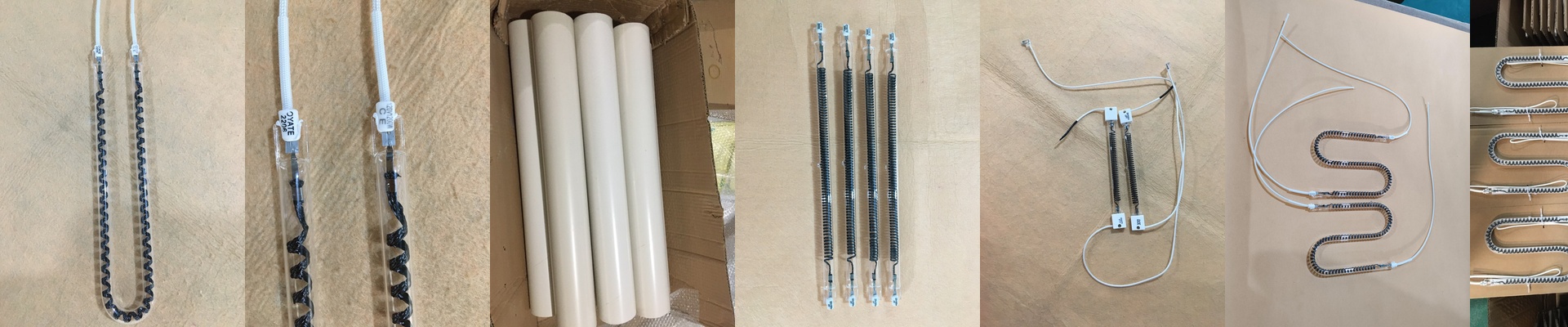
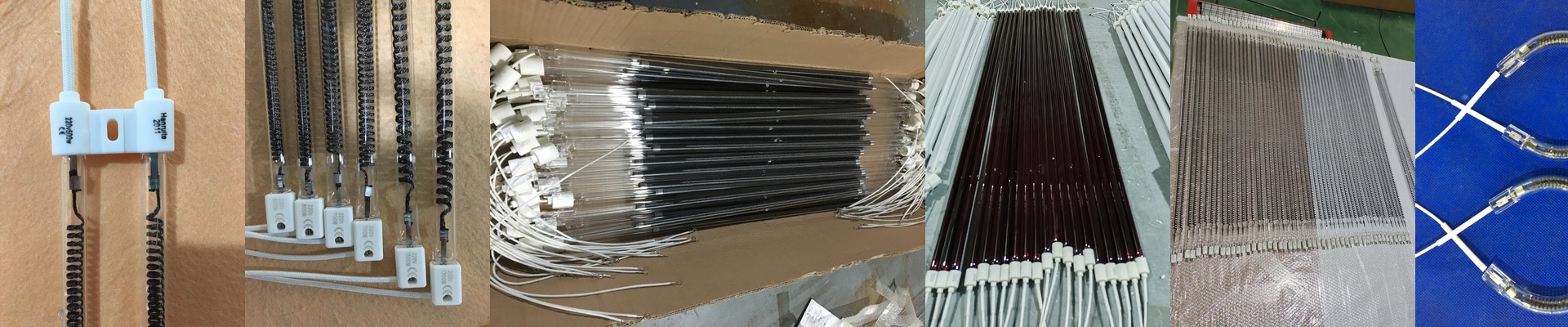
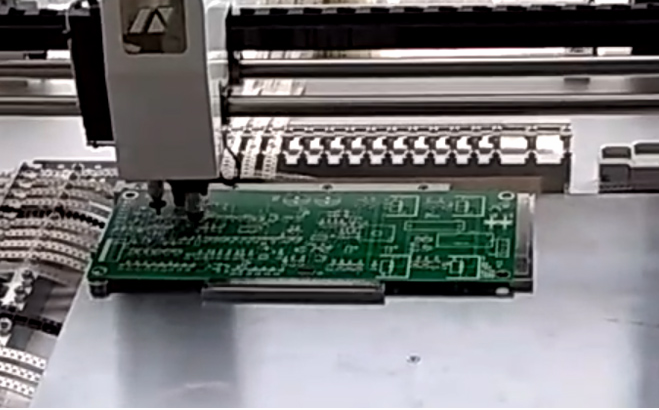
If you’ve ever tried to repair a smartwatch, you know the struggle. You can’t just grab a generic heat gun and start blasting. One wrong move and you’ve accidentally melted a neighboring SMD component or fried a nearby chip. It’s a nightmare. That’s why we build our infrared (IR) lamps the way we do. We wanted something that hits exactly where you need it, without the collateral damage. The secret is in the shortwave IR. Instead of blowing hot air around (which is slow and messy), IR sends energy straight into the solder joints. It’s fast. Really fast. You hit that liquidus temperature in a snap, which means your PCB spends way less time baking under heat. Less stress on the board, less chance of a mistake. Then there’s the build quality. We don’t cut corners here. We use high-purity quartz glass because it can take a beating. When you’re flipping the lamp on and off all day, the thermal shock is brutal. Cheap glass cracks; ours doesn’t. Plus, we fill the tungsten filaments with halogen. It stops the glass from getting that cloudy, dark look over time, so your light stays clear for thousands of hours. And about the connectors—we made them standard. We wanted these to be “plug and play” replacements for the stations you already own. Whether you’re tweaking the wattage or changing the length, the fit is tight. If a connection is loose, you get arcing. If you get arcing, your lamp burns out. It’s as simple as that. But a quick heads-up: these things getintense. When you’re ripping out stubborn adhesive or desoldering a chip from a tiny watch chassis, you need that raw power. But that heat has to go somewhere. If your cooling fans aren’t up to the task, the heat will soak back into the socket and literally melt your wiring. Make sure your housing can breathe. We spent ten years figuring this out. At first, we just followed the OEM templates, but they weren’t working for the gear we were actually fixing. So, we stopped following the rules and started designing for the actual thermal profiles of modern electronics. The result? A lamp that stays stable and predictable. No weird drift, no guessing games—just a tool that does exactly what it’s supposed to do, every single time.