Fixing Smart Lock PCBs Without Toasting Them
Smart lock boards are a nightmare to work on. They’re packed tight with tiny components and layers of substrate that don’t like heat. If you’re swapping a fried chip or fixing a bad solder joint, you can’t just blast it with a heat gun and hope for the best. That’s a great way to warp the board or pop a capacitor. You need something a bit more surgical.
Why IR Heating Actually Works
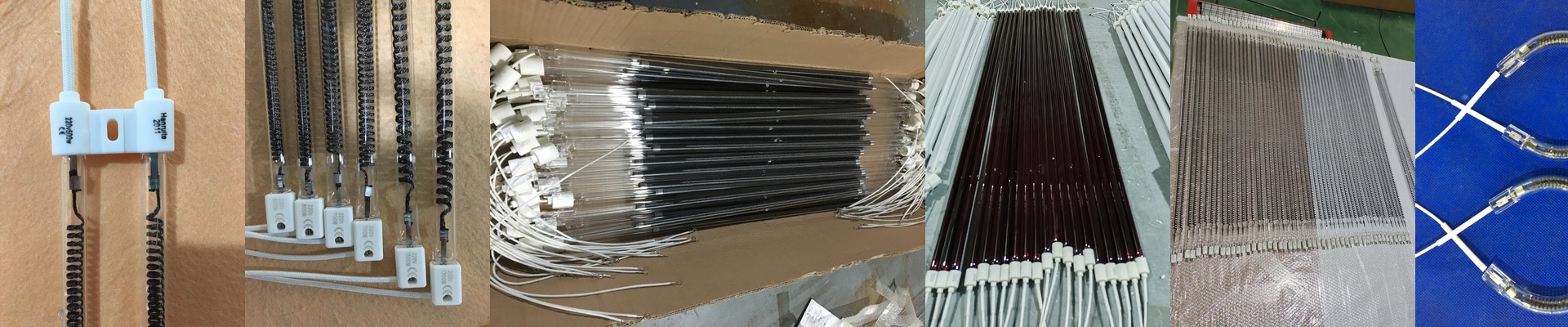
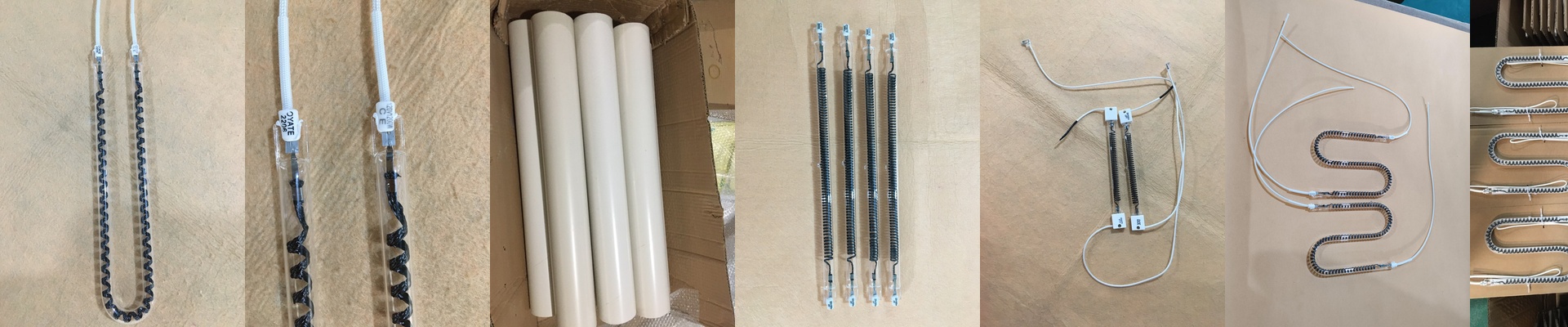
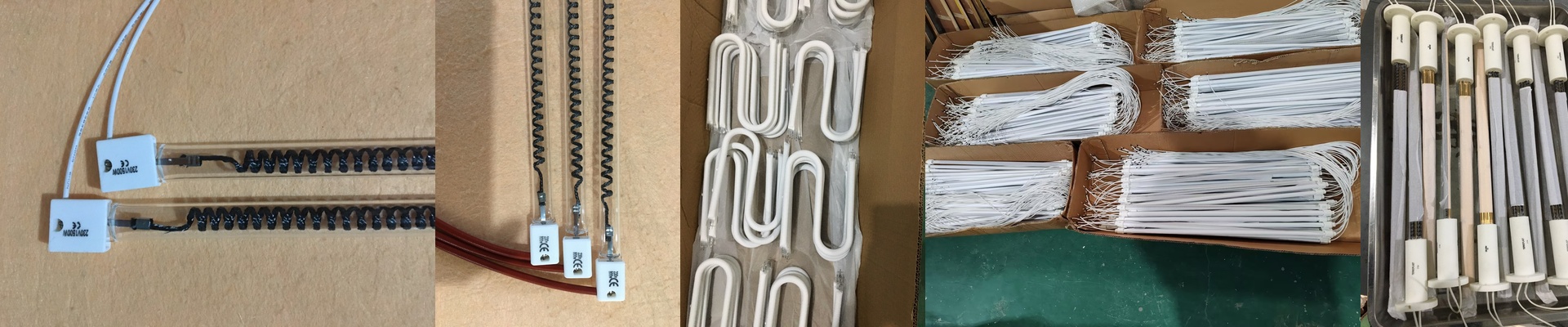
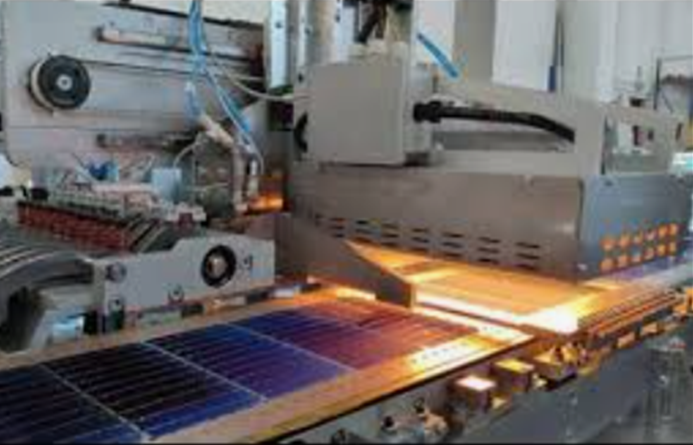
I use short-wave infrared lamps for this. The magic here is that the energy goes straight into the solder joints. It doesn’t waste time heating up the air around the board. This is huge because it stops that “heat soak” feeling where the plastic housing starts to melt or the sensors go haywire. You’re basically targeting the solder mask, which lets you hit that melting point fast without ruining everything else.
Setting Up Your Station
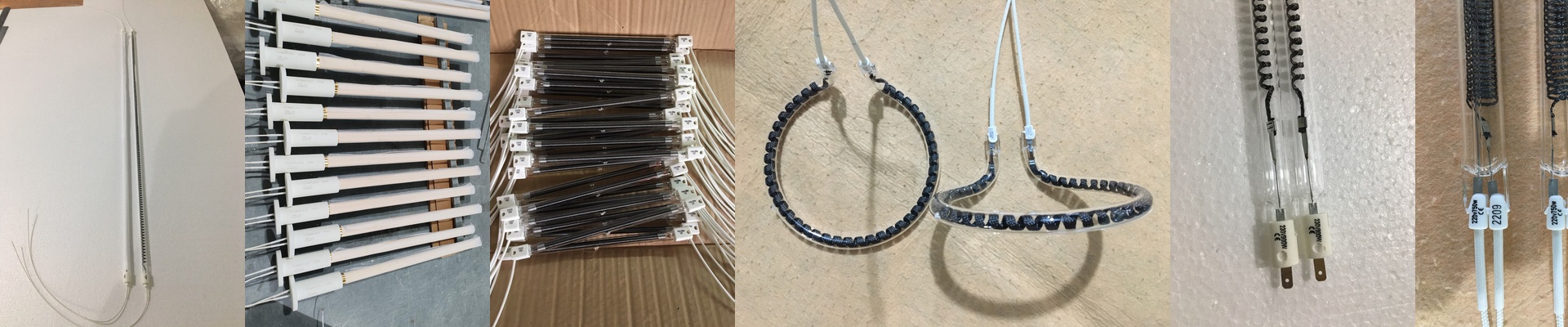
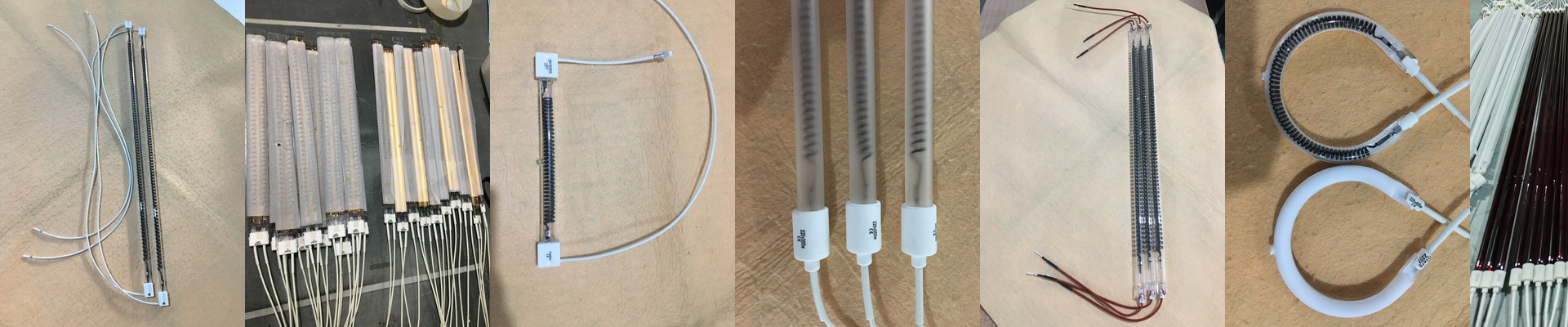
Depending on how much room you have on your bench, you’ll want a lamp that actually fits your board. A narrow quartz tube is perfect when you need to hit one specific spot. If you’re doing a full board prep, go with the wider arrays for a more even heat. But here’s the thing: don’t just plug it in and walk away. You’ll want to wire these into a PID controller. If you don’t have a closed-loop system to keep an eye on things, you’re likely to overshoot the temp and peel the layers of the board apart. I usually stick a K-type thermocouple right on the PCB surface. It acts as your safety switch, cutting the power the second you hit your target.
The Balancing Act
High-wattage lamps are tempting because they’re fast. And speed is great for getting through a pile of repairs. But there’s a catch. If you ramp up the heat too aggressively, you run into thermal shock. Copper and fiberglass expand at different rates. If they fight each other too hard, you get micro-cracks. It’s a subtle disaster. You have to find that sweet spot between wattage and ramp speed to keep the board healthy. These lamps should slide right into most standard repair stations. Just double-check your voltage before you flip the switch—nobody likes the smell of a burnt-out filament.