Why We Use Carbon Fiber for Food Warming
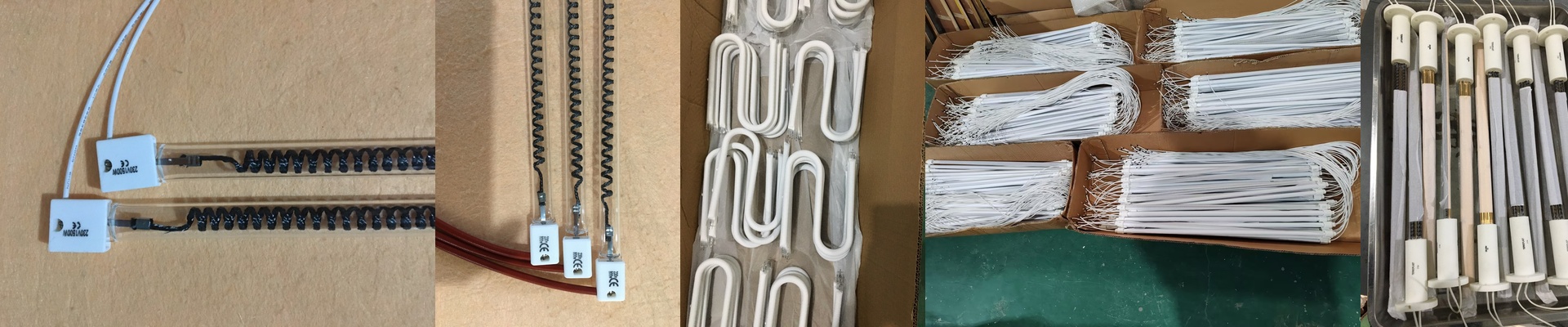
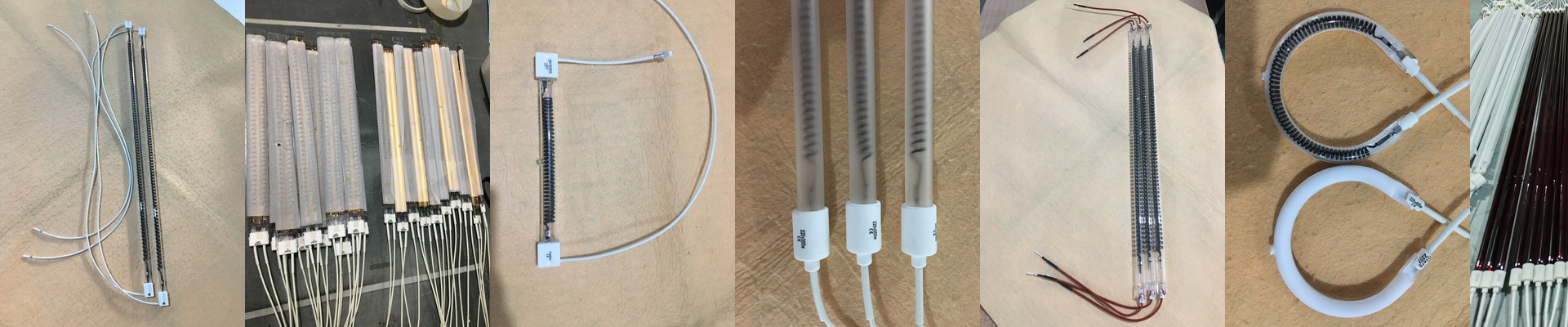
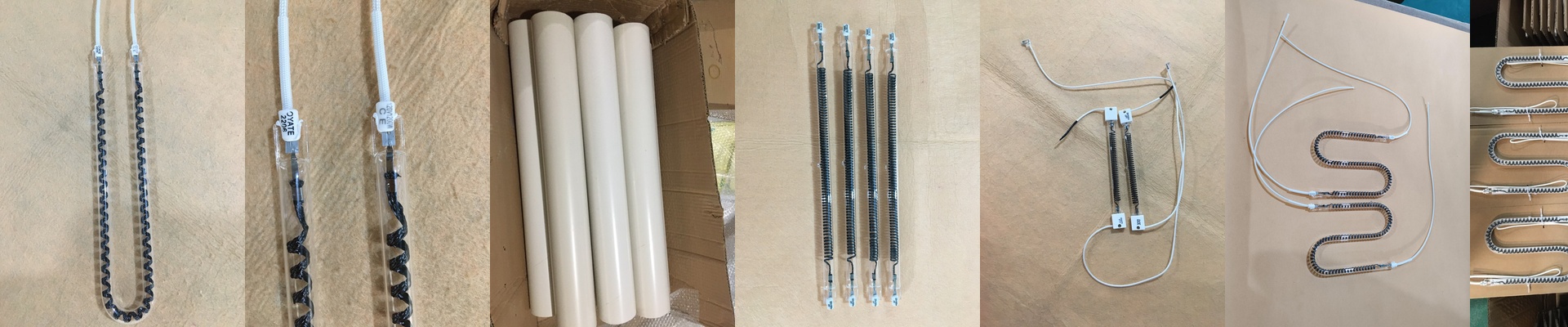
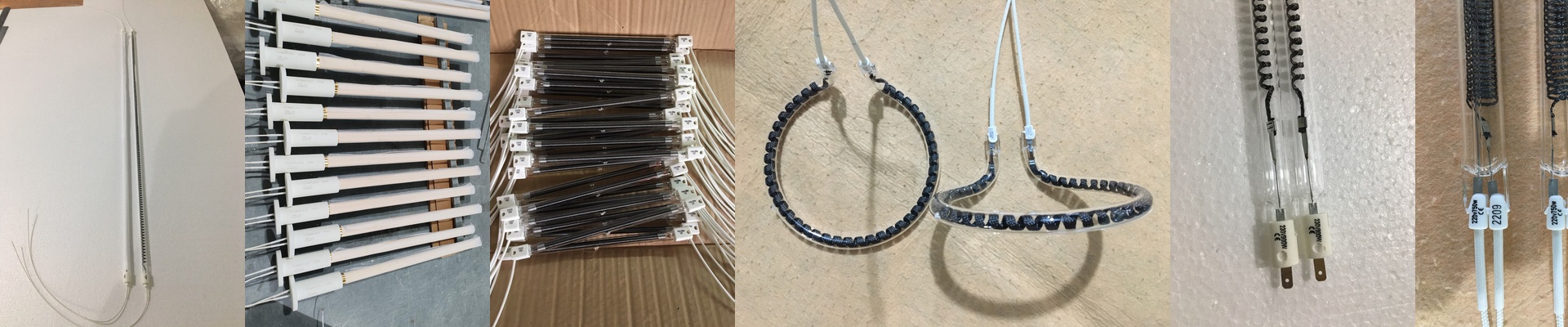
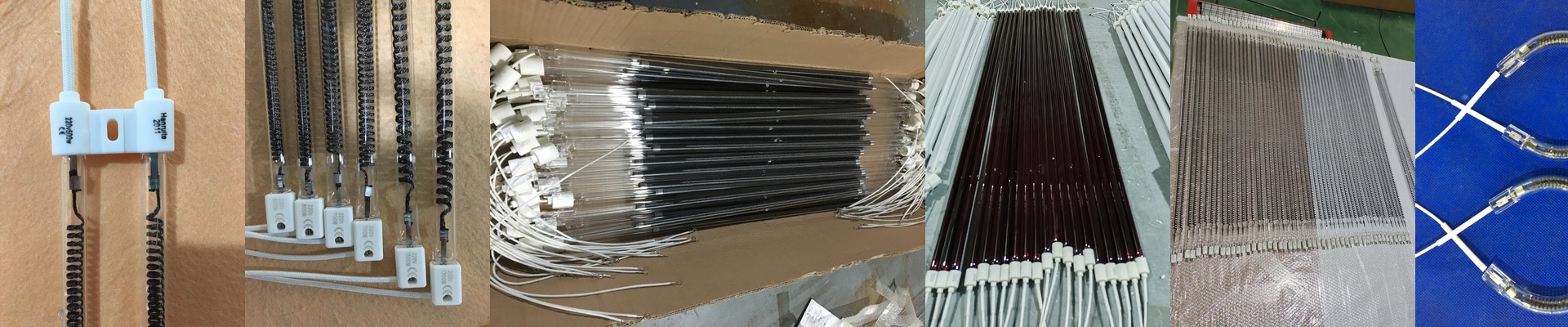
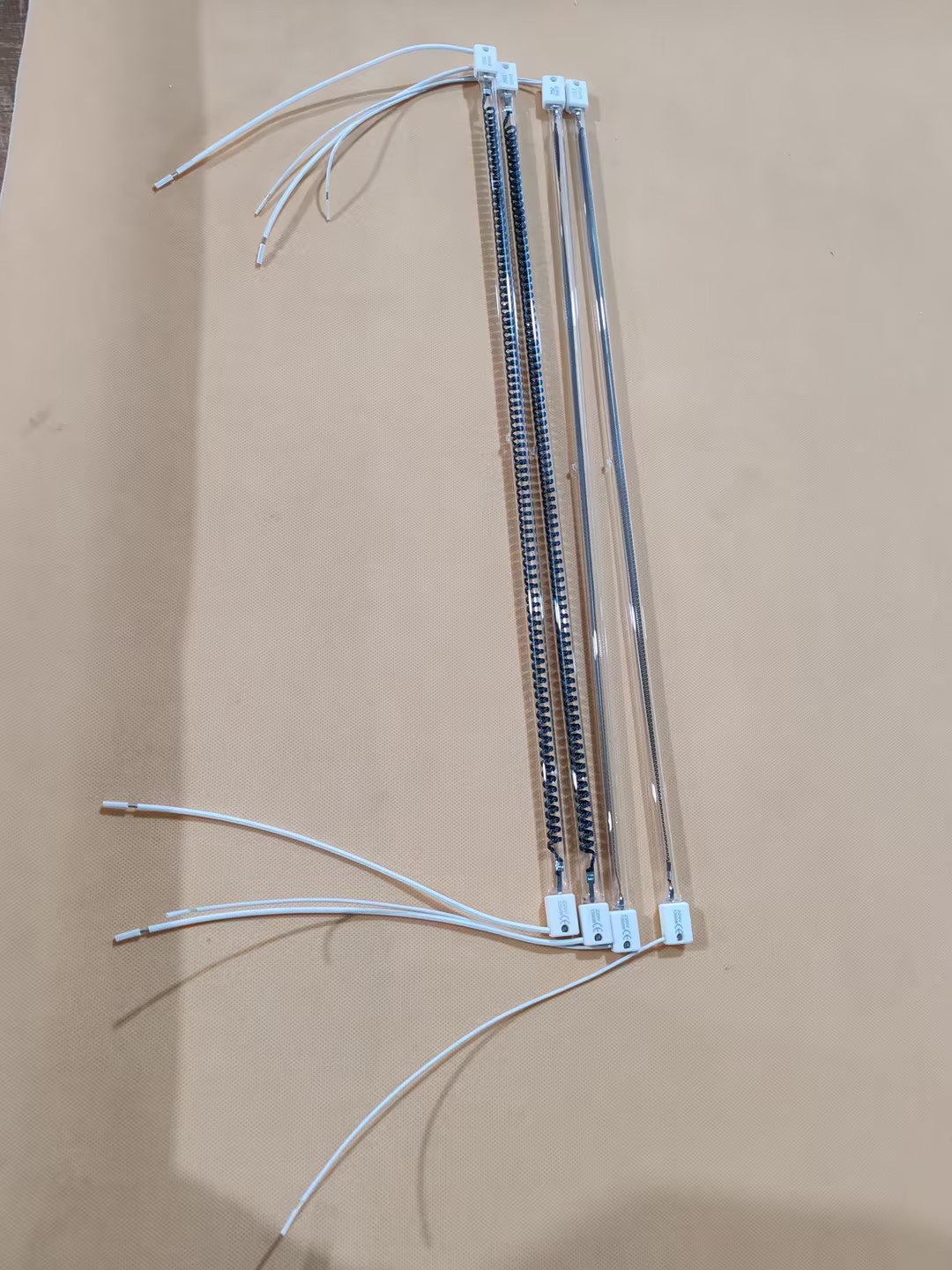
Let’s talk about how we actually keep food warm without ruining it. Most people are used to those old quartz or halogen tubes with the tungsten filaments. They work, but they can be a bit aggressive. We do things differently. We use a carbon fiber weave tucked inside a heat-resistant sleeve. Instead of that harsh, searing heat, you get far-infrared radiation. It’s a softer kind of warmth that sinks deep into the food rather than just scorching the top. The science of not burning your food Here is the thing about carbon fiber: it’s incredibly efficient. It turns electricity into heat without wasting a ton of energy. But you have to be smart about the wattage. If you cram too much power into a tiny area, you’ll end up with a burnt crust and a cold center. That’s why we spend so much time calibrating these. We want a steady, reliable temperature—not those wild heat spikes you get with shortwave lamps. Built for the chaos of a kitchen Commercial kitchens are brutal. You’ve got steam, grease, and constant heat. To handle that, we wrap the carbon fiber core in high-purity quartz or specialized glass. We also added reinforced end-caps. Why? Because after running for hours on end, some elements start to sag. These don’t. Plus, they’re designed to be drop-in replacements for your old halogen setups. Just a heads-up, though: double-check your wiring and ballast first. Carbon fiber has its own specific resistance, and you want to make sure your system can handle it. The honest trade-offs Nothing is perfect. The big win here is the lifespan—these lamps just last longer. You aren’t replacing them nearly as often as tungsten. But there’s a catch. They take a little longer to get going. If you’re used to a 2000W halogen tube that hits peak temp the second you flip the switch, this will feel different. You’ll need to factor in a bit of a warm-up period in your production line. If you need an instant thermal shock, this isn’t your tool. But for keeping food perfectly warm and ready to serve? It’s pretty much the gold standard.