Let’s talk about Carbon Filament IR Lamps
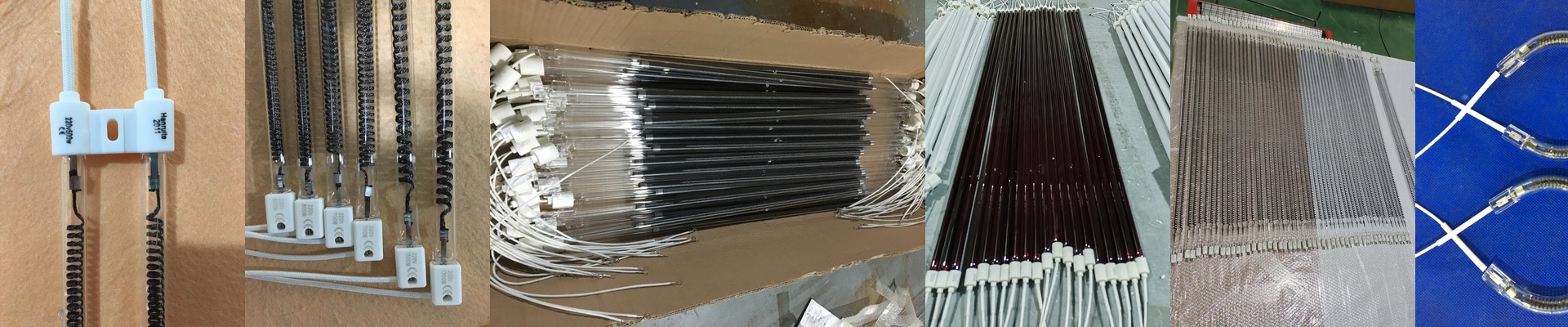
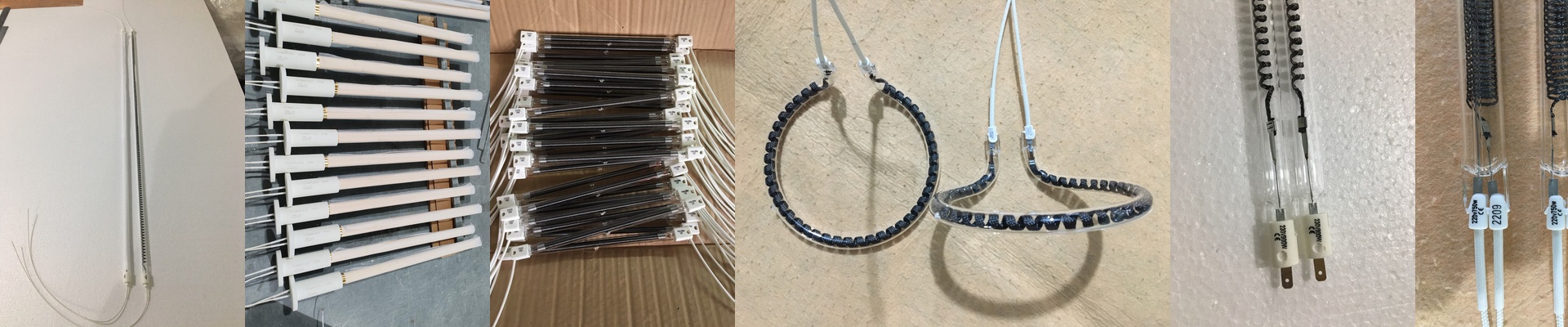
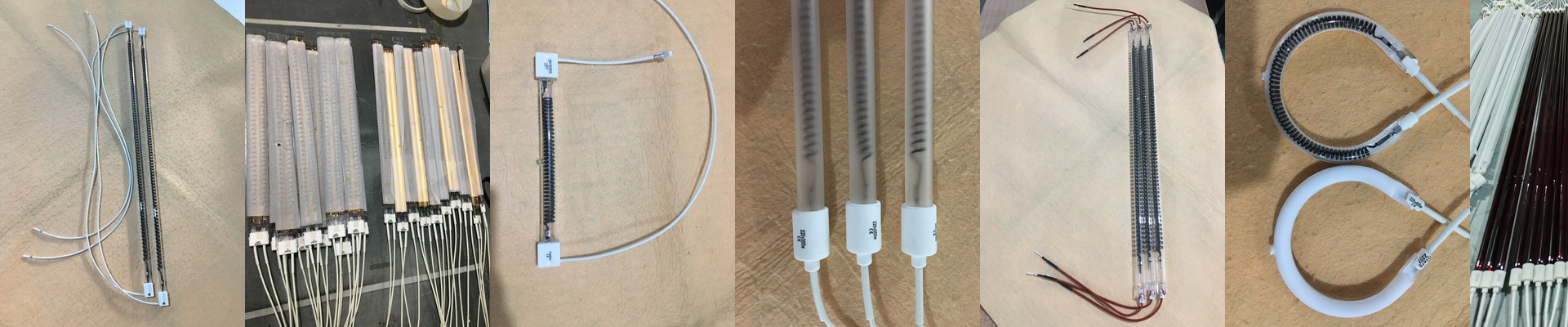
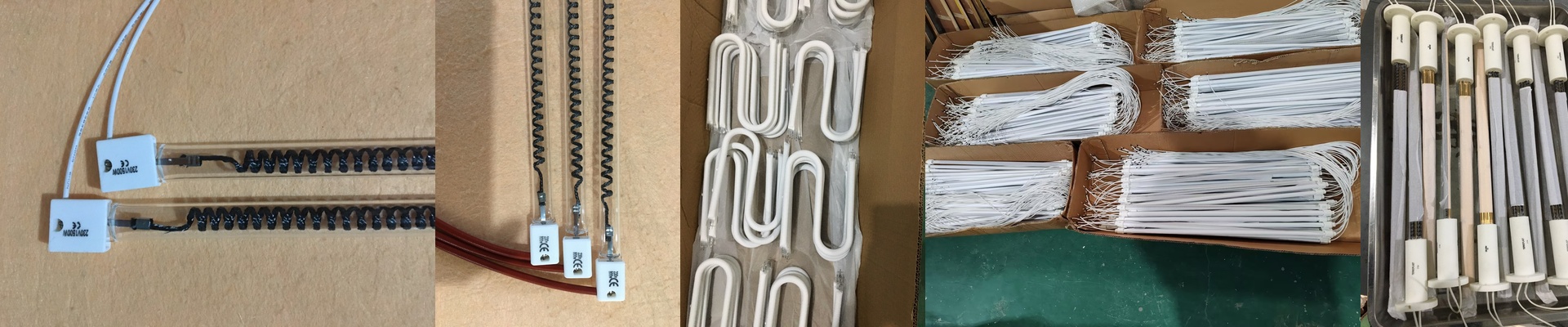
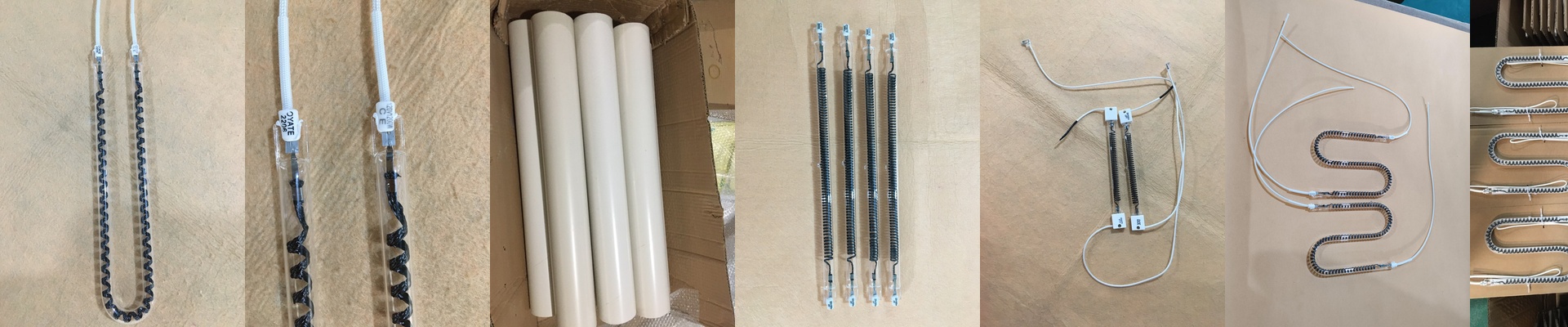
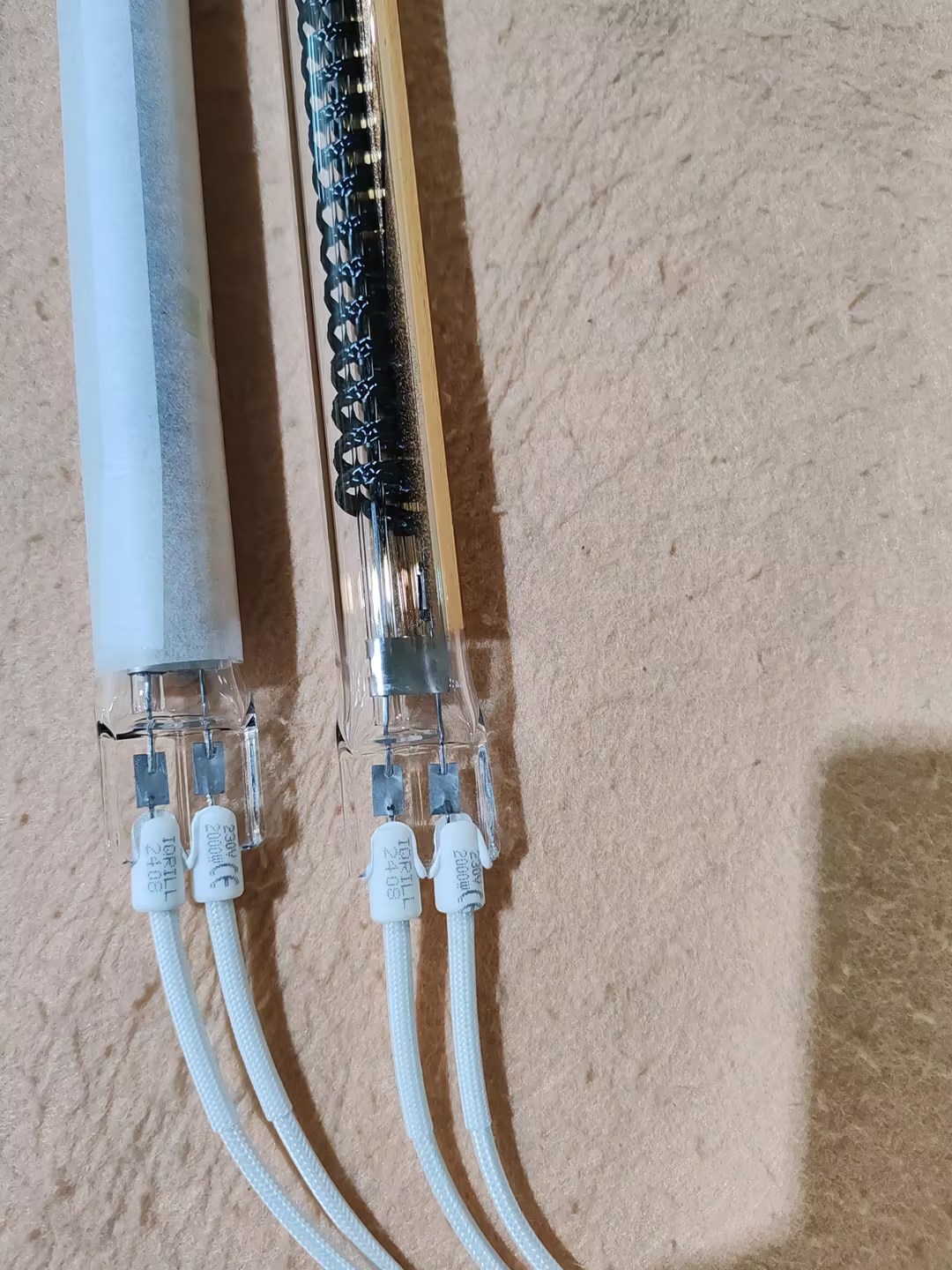
If you’ve ever struggled with surface scorching while trying to get heat deep into a material, you’ll want to look at carbon filament lamps. Instead of the usual tungsten coils, these use a graphite-based element tucked inside a quartz tube. The magic here is that they don’t need to get insanely hot to work. They put out a lot of medium-wave infrared radiation, which means the heat actually sinks into organic materials rather than just frying the top layer. Getting the power right When we’re picking a lamp, it all comes down to heat flux. Basically, the more wattage you pack into a shorter tube, the hotter that filament gets. But here’s the catch: if you cram a high-wattage tube into a tiny, cramped housing, you’re asking for trouble. You’ve got to make sure the heat has somewhere to go. If the ends of that quartz tube overheat, the seals will pop, and you’re looking at a dead lamp. Most of these match your standard plant power, but if you’re using some weird specialized controllers, we can usually tweak the windings to fit. The build and the bits We use quartz glass because it lets the IR radiation pass through without blocking it. Some of our tubes have a special coating that reflects the heat forward. It’s a smart move—it pushes the energy onto your workpiece instead of heating up your machine frame. As for the plugs, we stick with R7s or Sk15 connectors. They just work. They slide right in as replacements for most industrial heaters and stay put, even when your machinery is vibrating like crazy. Where they actually work (and what to watch out for) You’ll see these all over the place—PET blowing, curing paint, welding plastics. They’re fast. Much faster than those clunky ceramic elements, and they don’t take up nearly as much room. But they aren’t indestructible. Quartz is fragile. And honestly? The biggest killer is a dirty shop floor. If oil or dust gets on the glass, it bakes on. That creates “hot spots” on the tube, and that’s how you get a premature burnout. Keep them clean. It’s a simple habit, but it’s the only way to make sure they actually last.