Getting Your Smart Meter PCBs Just Right
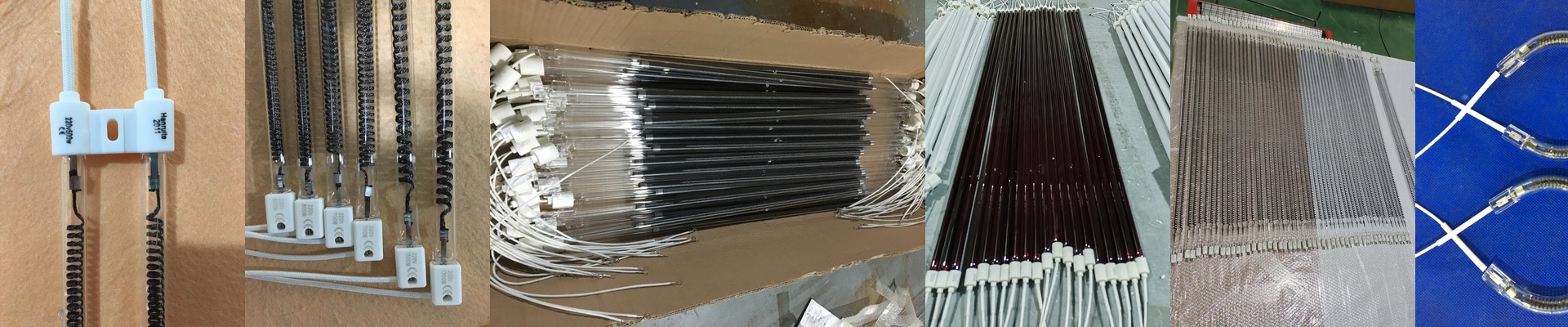
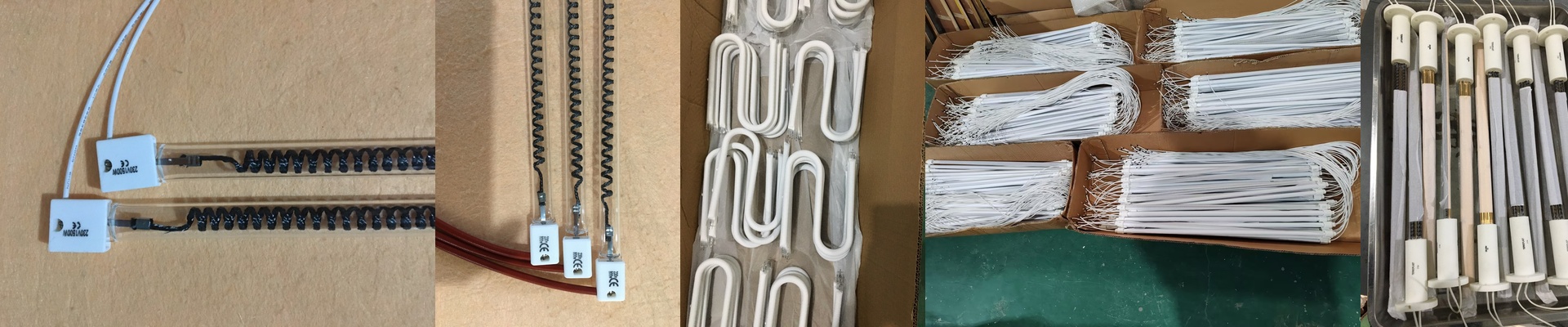
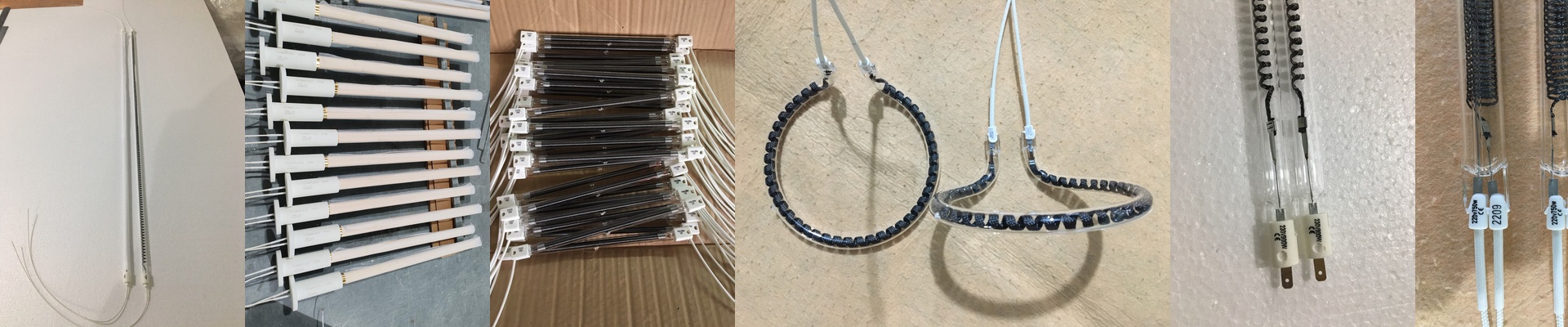
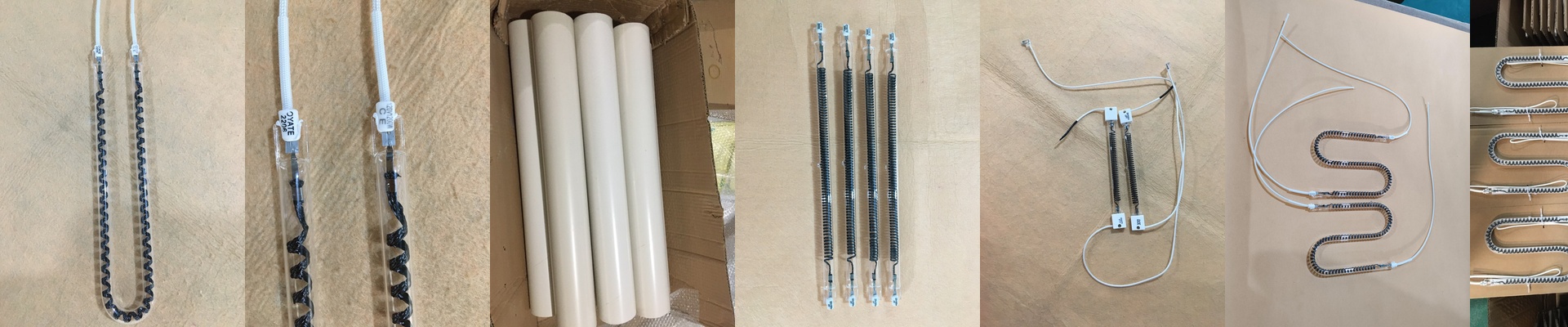
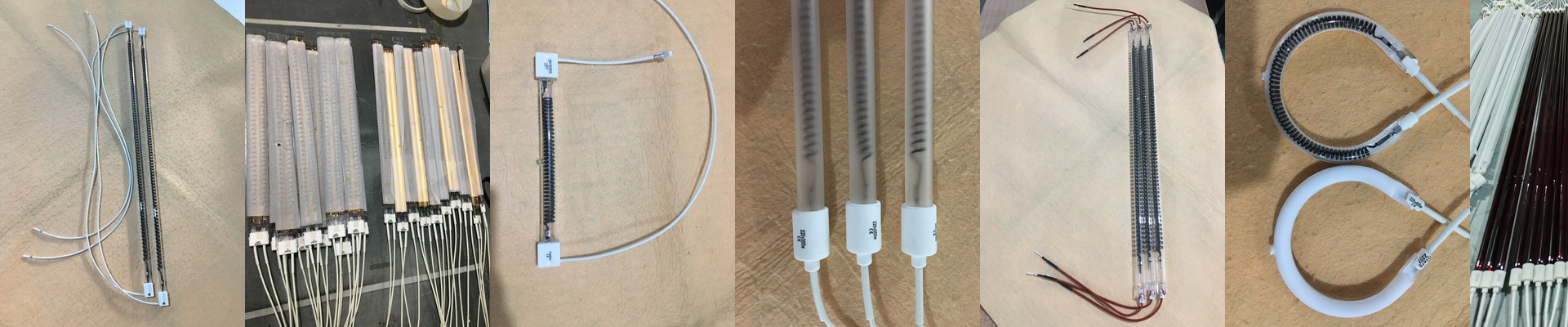
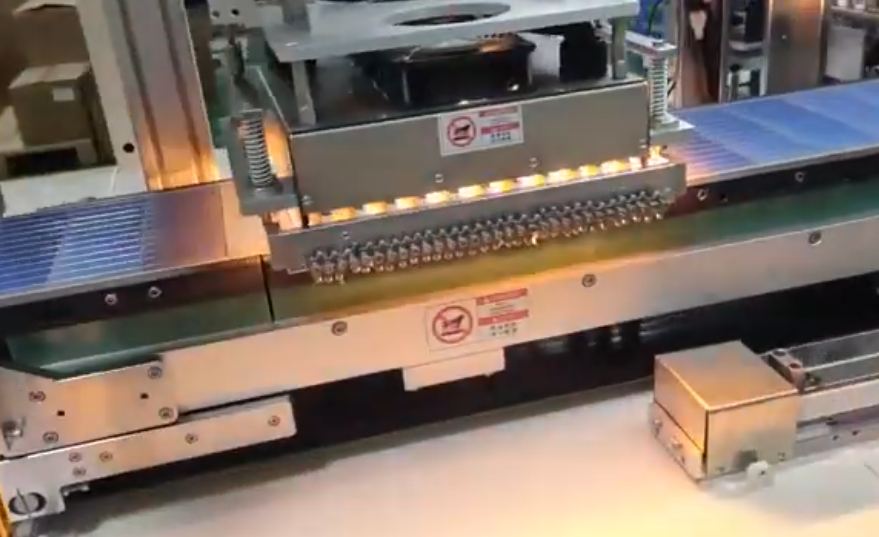
If you’re assembling smart meter PCBs, you know the struggle. You need the solder joints to be rock solid, but you can’t just blast the board with heat and hope for the best. That’s where our infrared heating lamps come in. These aren’t your run-of-the-mill bulbs. Think of them as precision tools for your thermal profile. The balance of heat and speed Here’s the thing about wattage: higher power means you ramp up faster. That’s great for your cycle times and keeps the line moving. But there’s a catch. If you cram too much power into a tiny area, you get hot spots. To keep from scorching your board substrate, you’ll want to tweak your conveyor speed until it matches the lamp’s output. It takes a little fiddling, but it’s the only way to get it perfect. Why quartz matters We wrap our halogen filaments in high-purity quartz glass. Why? Because it lets short-wave IR radiation fly right through without getting stuck. The heat hits the PCB surface directly. Some of our lamps even have special coatings to shift the spectrum. This is a lifesaver if you’re worried about melting the plastic casings on your smart meters while you’re trying to get the solder paste to flow. Hardware that actually lasts We know factory floors are brutal. Things get bumped, shaken, and run 24/7. That’s why we offer different connector options and reinforced leads. We want these to be a simple drop-in replacement for your current setup—no headaches, no custom hacking required. One quick tip: watch your power. If your voltage is jumping around, your filaments are going to burn out way faster than they should. We always suggest a stabilized power supply to keep things steady. We’re not just shipping you a box of parts. We’ll help you map out the whole thermal path so your boards come off the line clean, every single time.