Let’s Talk Carbon Fiber Infrared Heat
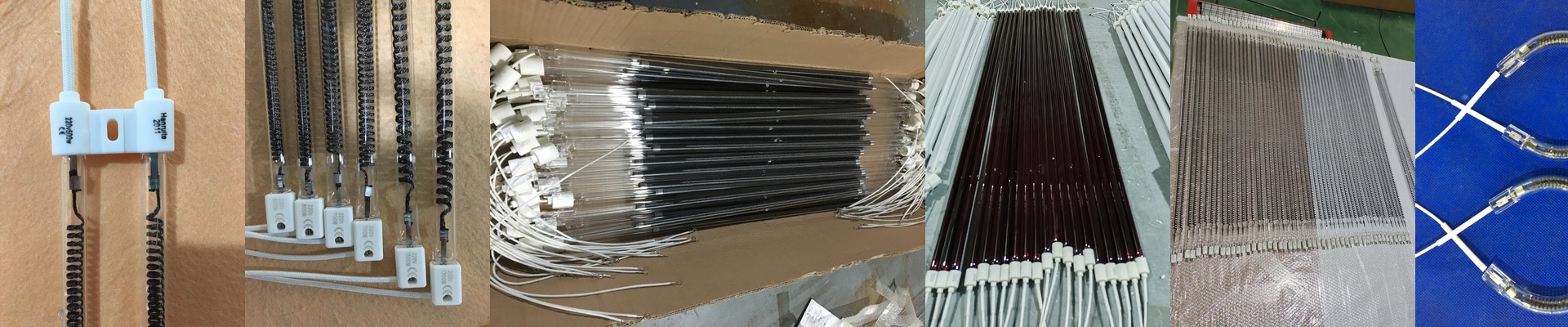
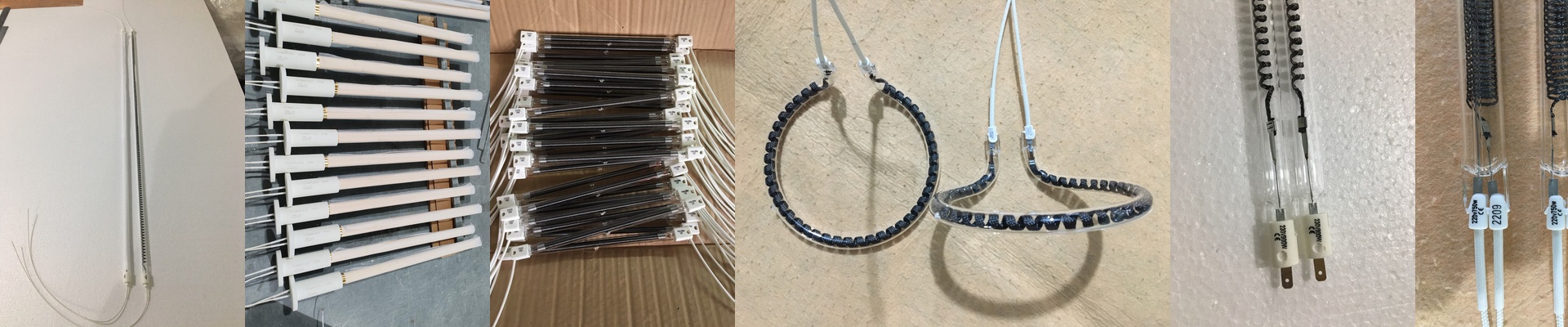
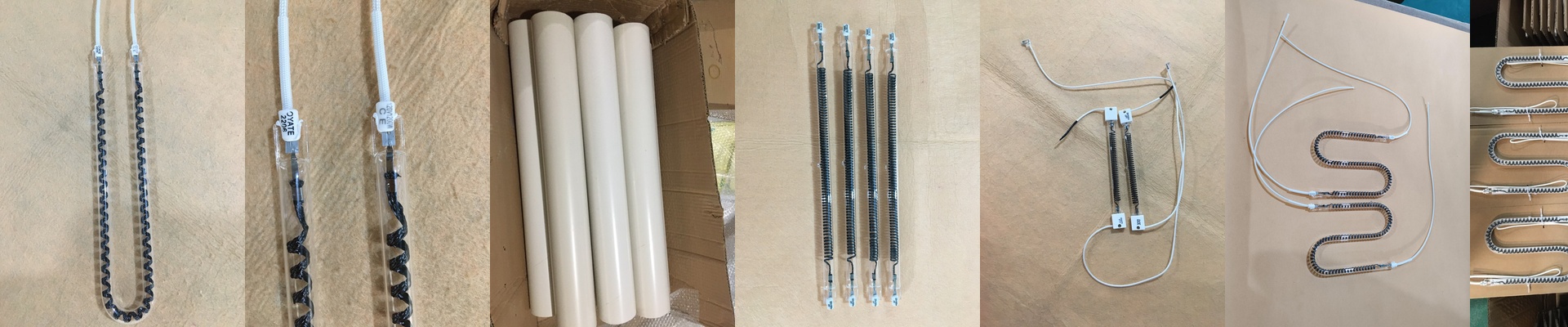
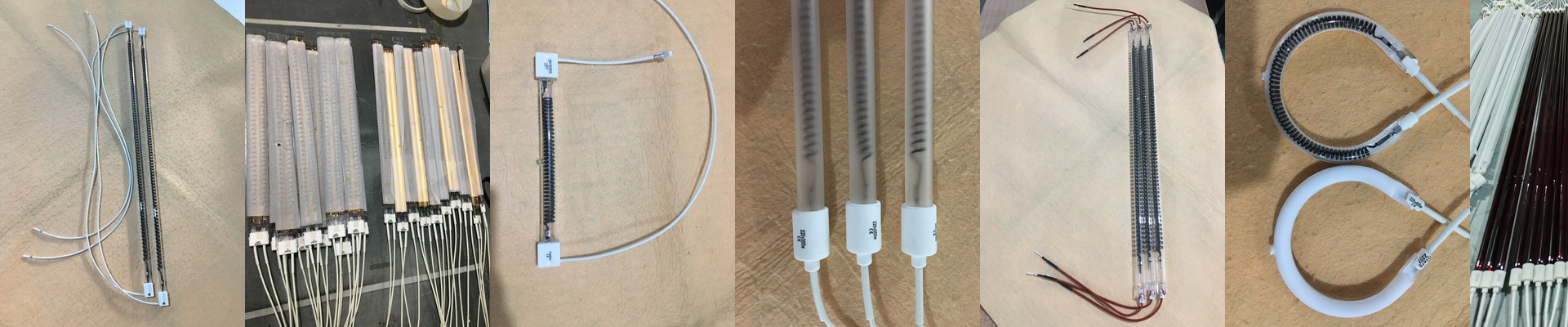
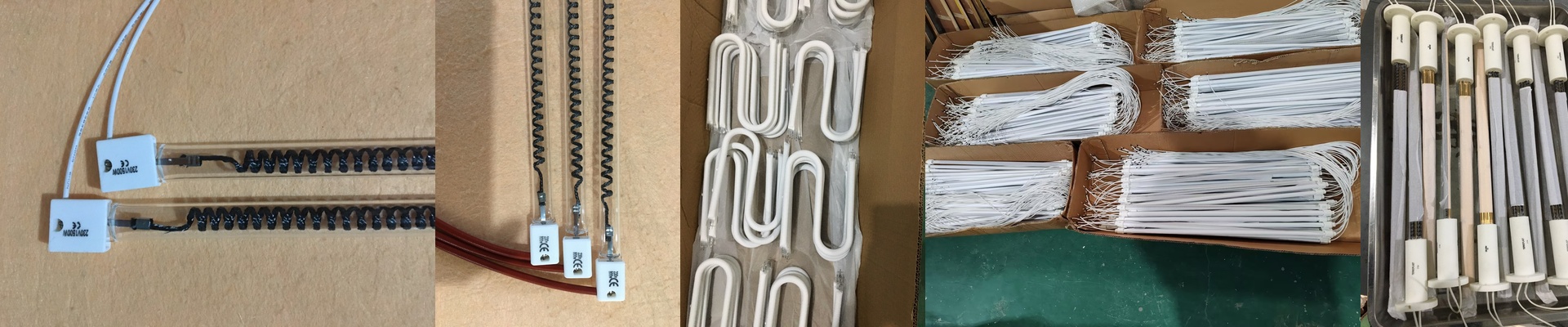
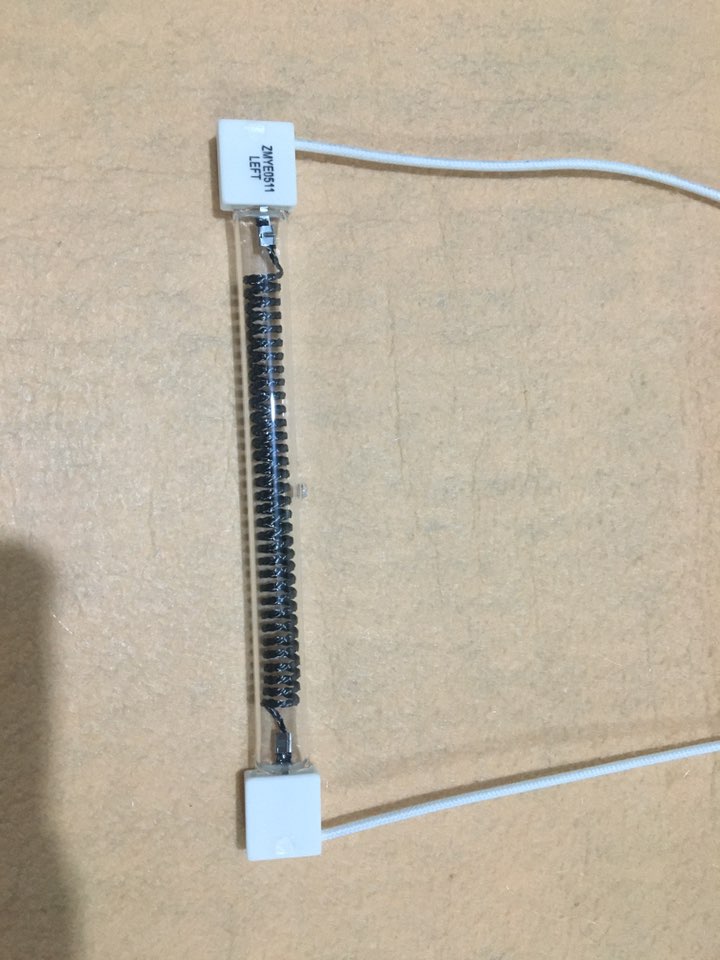
Ever wonder why some heaters just feel… better? It comes down to what’s inside. We use carbon fiber filaments tucked inside a quartz tube. Here’s the cool part: unlike those old-school metal coils that stretch and sag when they get hot, carbon fiber stays put. It doesn’t warp or snap when you’re cranking the heat up and down all day. It just works. Getting the power right We don’t do “one size fits all.” We build these lamps based on the actual footprint of your machine. If you go with a higher voltage, you can run longer tubes without worrying about drawing too much current—which means you won’t be dealing with burnt-out wires. But a heads-up: when you pump up the wattage, the heat density gets intense.**Make sure your housing can actually handle that load.**If your airflow is off, you’re basically frying your own internal sensors. The nitty-gritty on design We use quartz glass because it lets infrared radiation pass right through without fighting it. Depending on whether you need shortwave or medium-wave heat, we add specific coatings to the glass to shift that spectrum. For the connections, we stick to the basics like R7s or Sk15. They’re simple drop-in replacements for most industrial ovens. They fit tight, which is exactly what you want—no arcing at the terminals, no sparks, no headaches. Real-world use You’ll see these things everywhere—PET blowing, curing paint, welding plastics. The big win here is speed. Carbon fiber hits your target temp way faster than ceramic or metal. It shaves time off your cycles, which adds up fast. But a word of caution: they’re tough, but they aren’t bulletproof. If you crack that quartz envelope, the filament oxidizes and the lamp is dead instantly.**And please, wear gloves.**Skin oils leave invisible marks that create hot spots, and that’s a one-way ticket to a premature failure.