Stop Treating Industrial Heaters Like Commodities
Most people look at industrial heaters and see a basic part—something you just swap out when it breaks. We’ve spent ten years looking at them differently. To us, they’re precision instruments. When you move into high-end electronics manufacturing, you can’t just “get close enough” with your heat. You have to get it exactly right, or you’re just wasting money and time.
The Truth About Heat Density
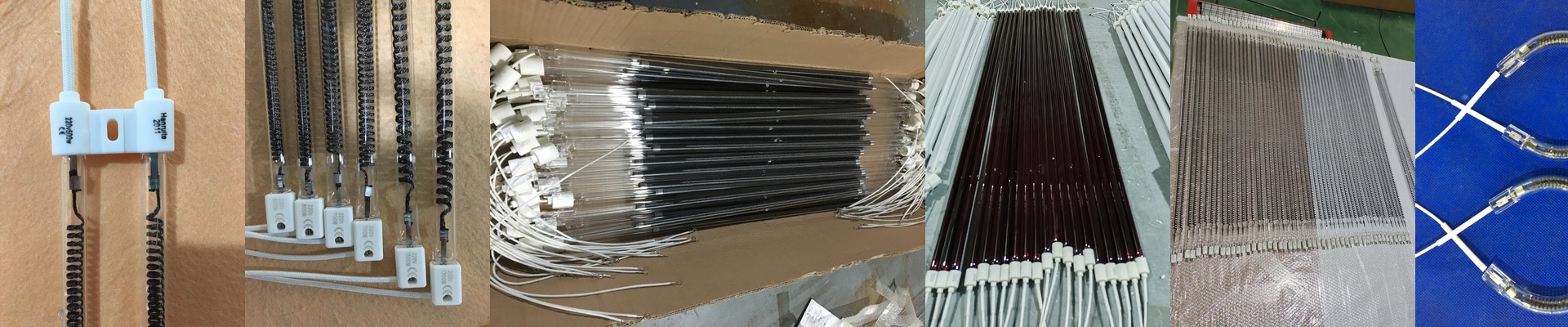
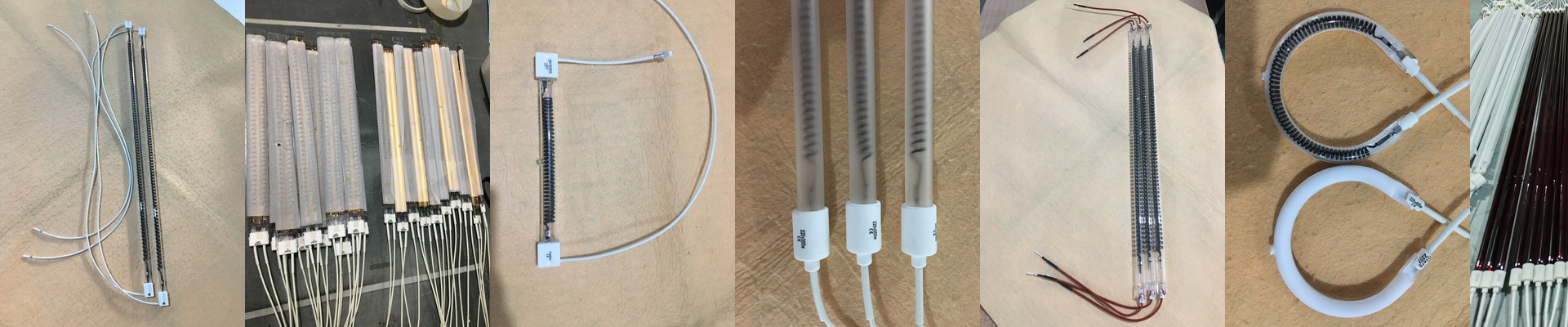
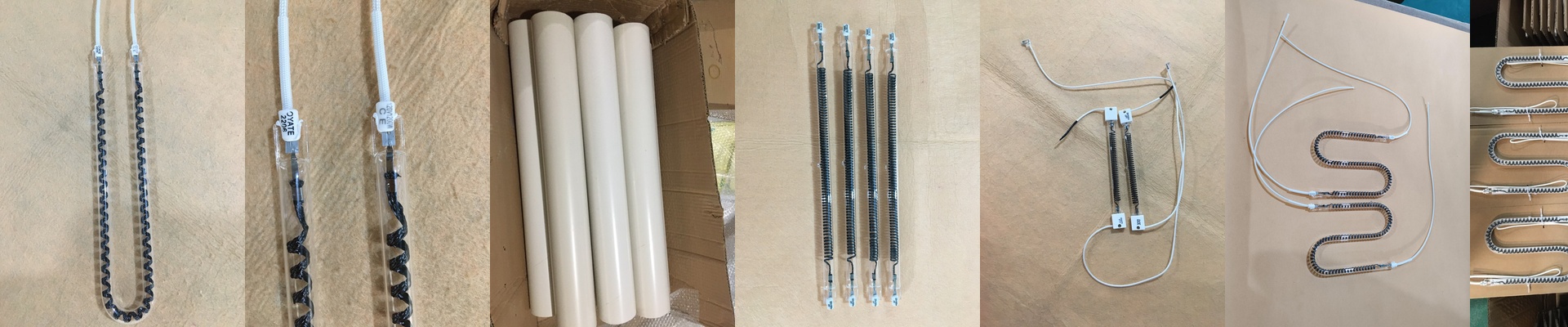
Here’s the thing: voltage and wattage aren’t just numbers on a spec sheet. They’re what actually drive the heat flux. If you’re doing PET blowing or curing, you need a high-wattage shortwave lamp to punch a tight beam of energy into the material. It’s the only way to keep your cycle times fast. But there’s a catch. If you push a lamp too hard, it burns out. Simple as that. We spend our time balancing the filament load. This makes sure the heat spreads evenly across the whole tube, so you don’t get those nasty hot spots that crack the quartz.
The Nitty-Gritty Stuff
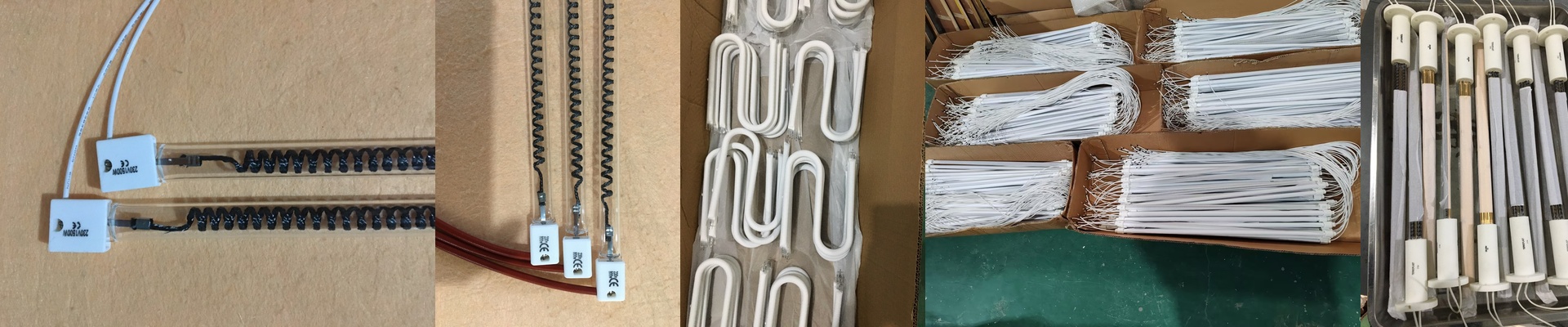
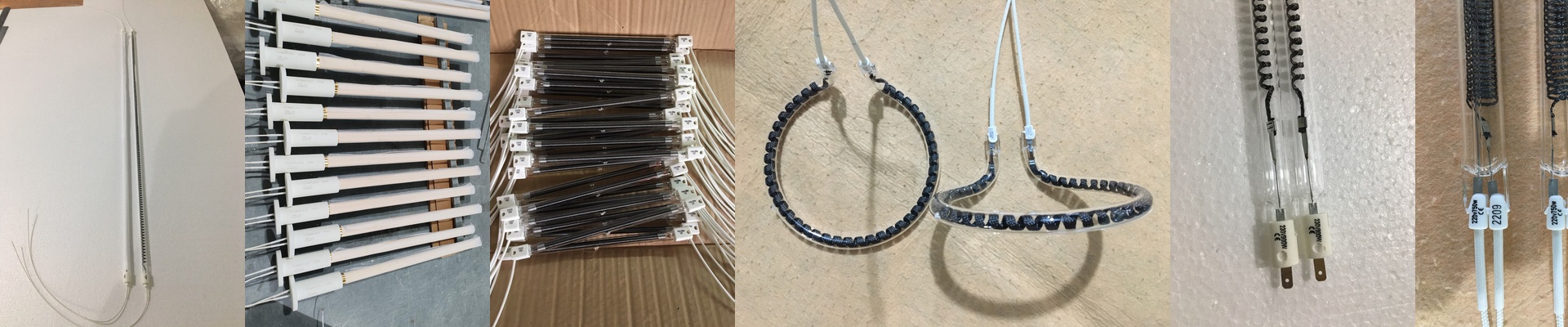
We use high-purity quartz and halogen gas fills. Why? Because the halogen cycle stops tungsten from gunking up the inside of the tube. It keeps the light clear and the heat consistent for thousands of hours. Then there are the connections. We stick with R7s and Sk15. It’s not just about making sure they fit. It’s about a tight, solid electrical contact. You don’t want your heater arcing or overheating just because your machine vibrates a bit during a shift.
The Trade-offs You Need to Know
High-output lamps pack a massive punch, but they aren’t exactly “plug and play” for every single setup. The more wattage you pump in, the harder your cooling system has to work. If your airflow is sluggish, the heat soak will fry your controllers. It’s a headache you don’t want. Our lamps are designed to drop right into place where international brands used to be. Just do yourself a favor: double-check that your power supply can handle that initial inrush of current. It’ll save you a lot of grief down the road.