Let’s Talk Carbon Heat Lamps
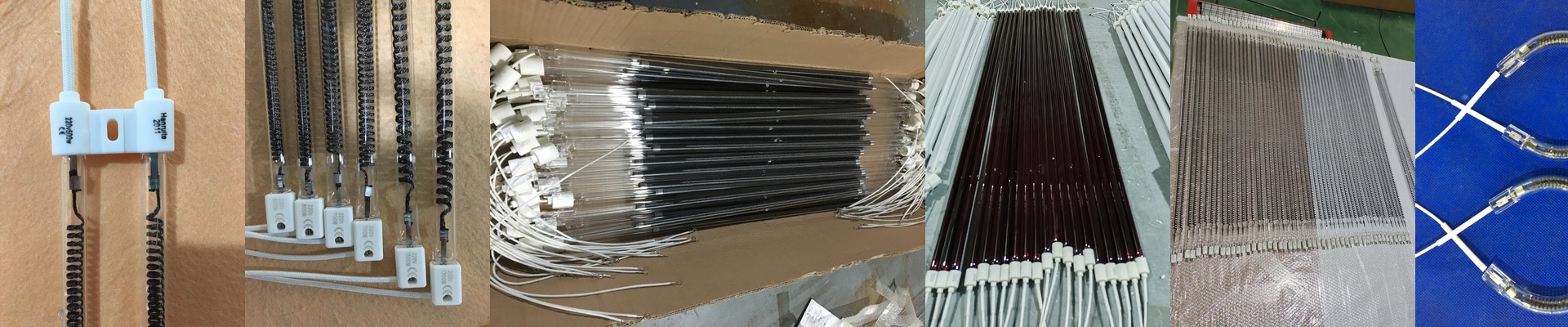
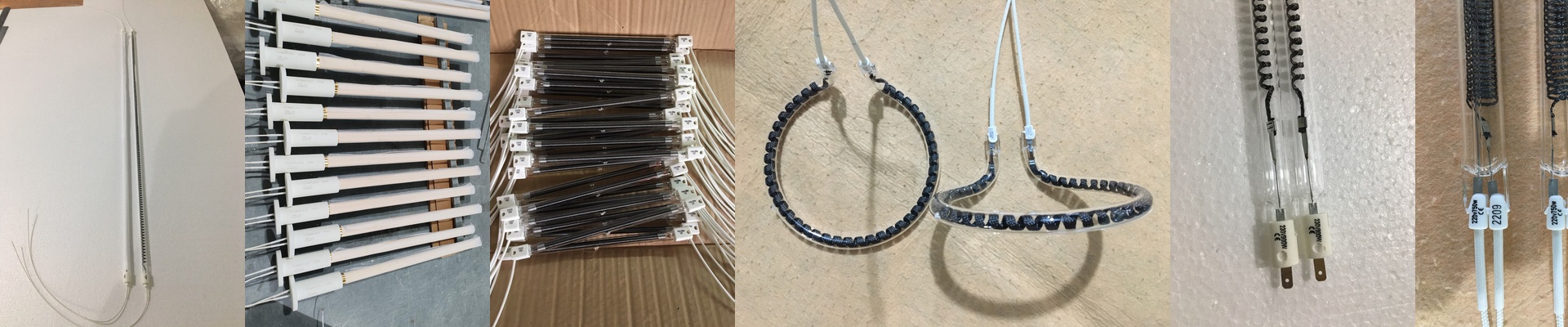
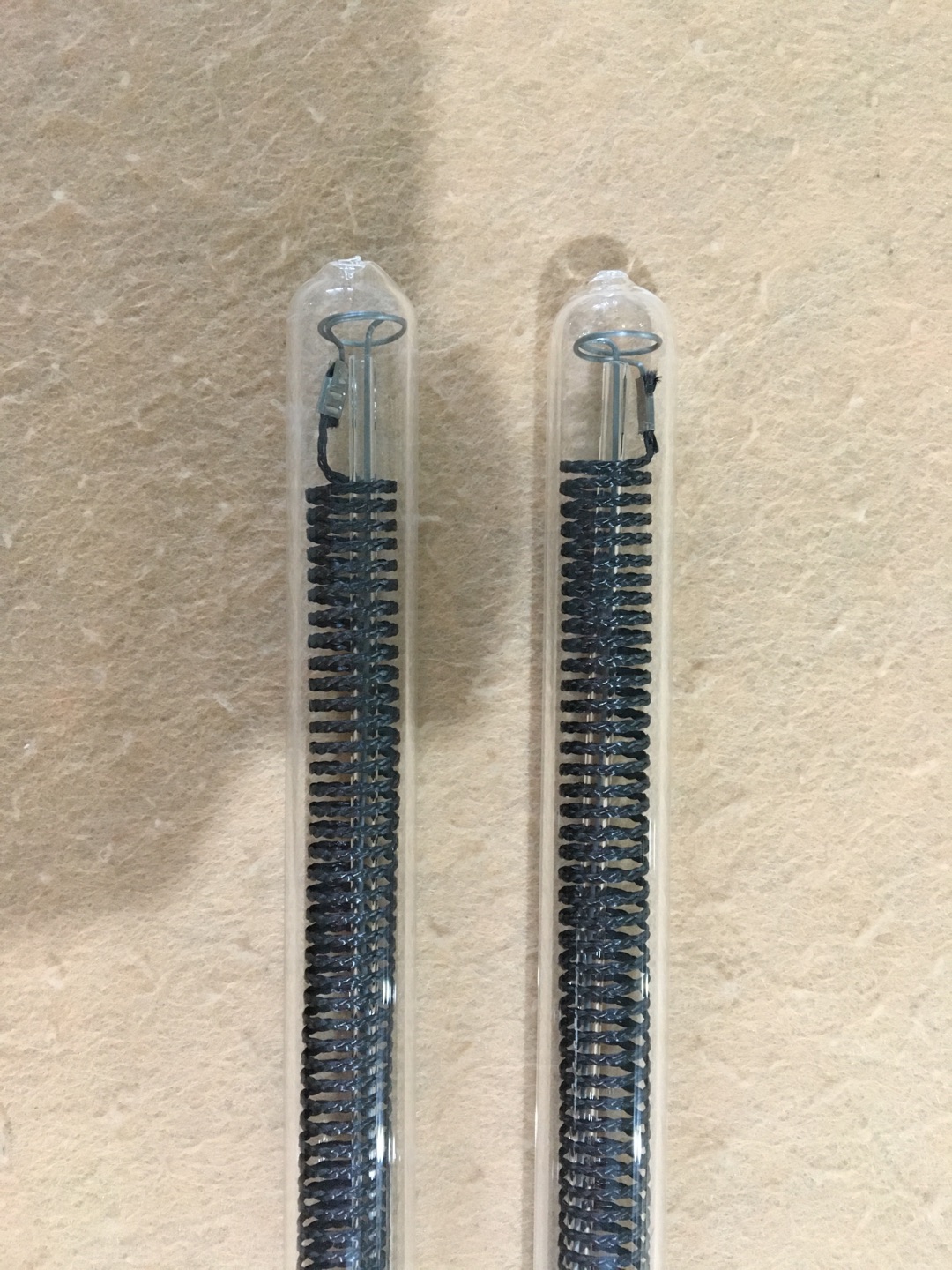
Most people think a heater is just a heater, but these carbon infrared lamps are a different beast. They aren’t like your basic quartz heaters. We use a carbon filament here, which changes how the heat actually hits your material. It digs deeper. That’s why they’re the go-to for those heavy-duty drying and curing lines where you can’t afford to just heat the surface.
Getting the Power Right
When we’re picking a lamp, it all comes down to how much heat you actually need. Take a 400V rating, for example. That lets us push more wattage through the tube without frying the leads. But here’s the thing: you’ve got to match that wattage to your power supply. If you go too big, you’re just asking to burn out your contactors. These tubes can handle being switched on and off quickly, but man, they get hot.**Really hot.**Make sure your cooling blowers are up to the task, or you’ll end up with a warped housing.
The Build
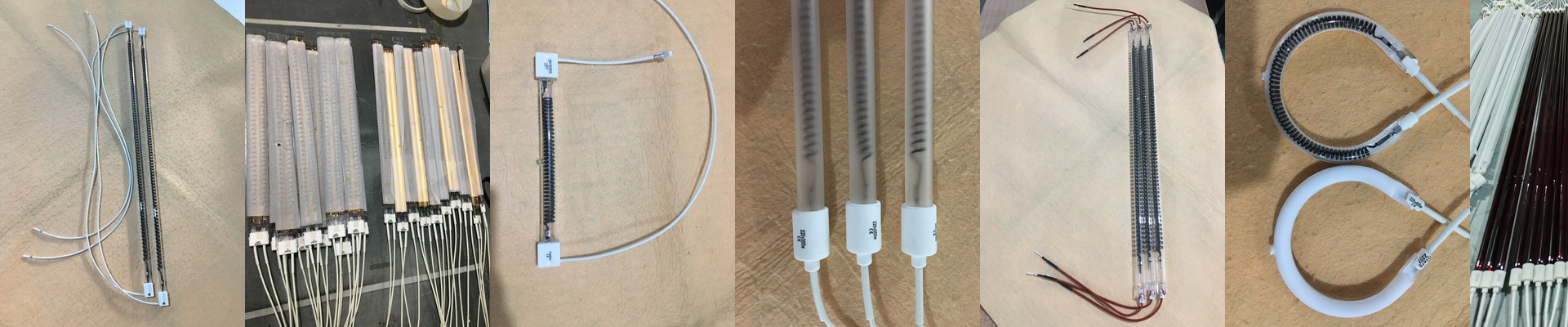
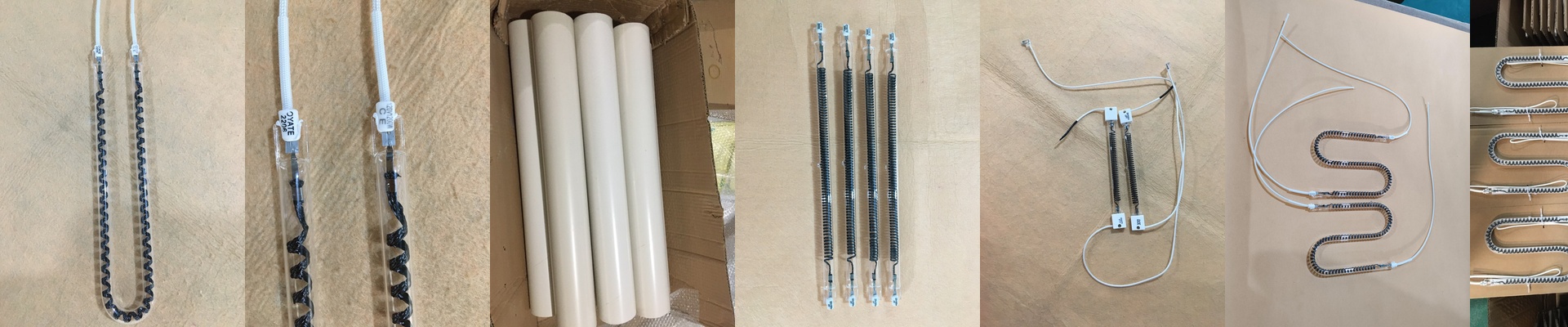
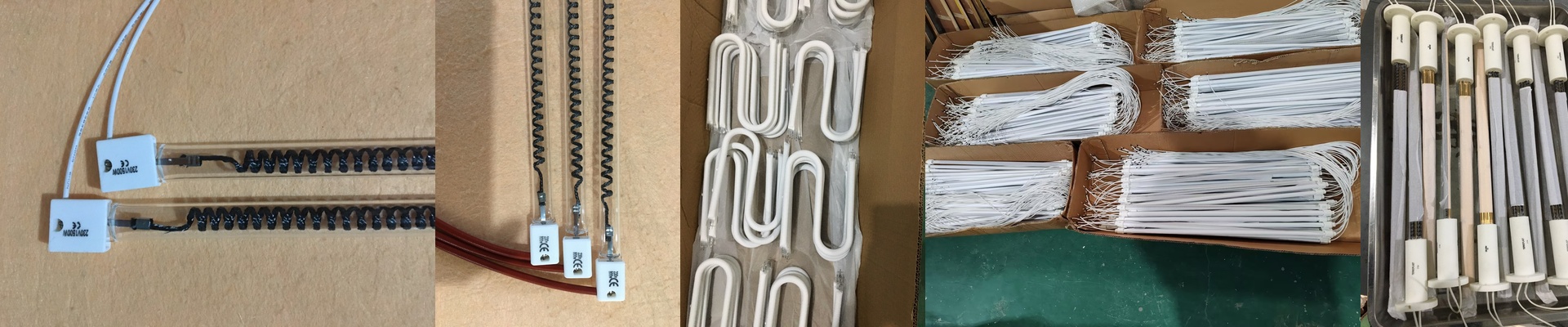
We wrap the carbon element in high-purity quartz glass to keep it safe. Depending on what you’re working on, we can add a coating that bounces the heat right back onto your workpiece. As for the plugs, we usually stick with R7s or Sk15 connectors. They just slide right in. Plus, they hold tight, so you don’t have to worry about the lamp rattling loose while the machine is humming along.
Real-World Use
You’ll see these things everywhere—from blowing PET bottles to curing automotive paint. They ramp up fast, which means your cycle times drop. But there’s a catch. Carbon filaments are a bit more fragile than metal ones. **Pro tip:**Tell your techs to wear gloves. If they touch the glass with bare hands, the oils from their skin create hot spots. That’ll kill the lamp way faster than it should die. Just keep a strict handling rule in the shop, and you’ll get the full life out of the tube. When it comes to the price, it usually just depends on the coating you pick and how precise the filament winding needs to be.