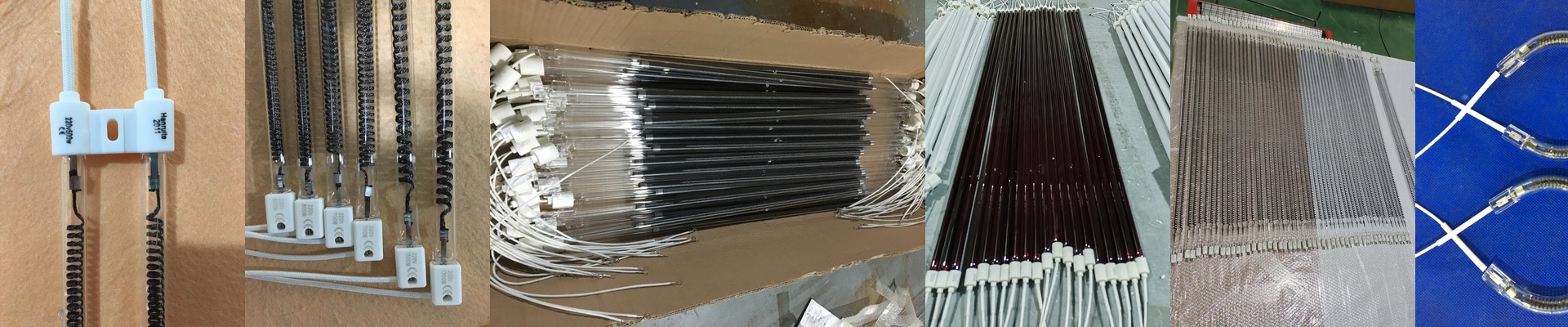
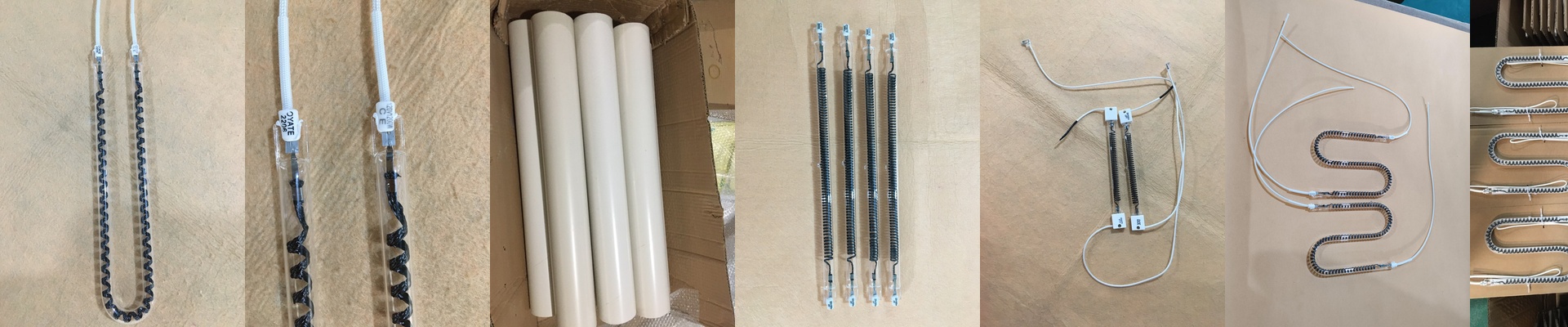
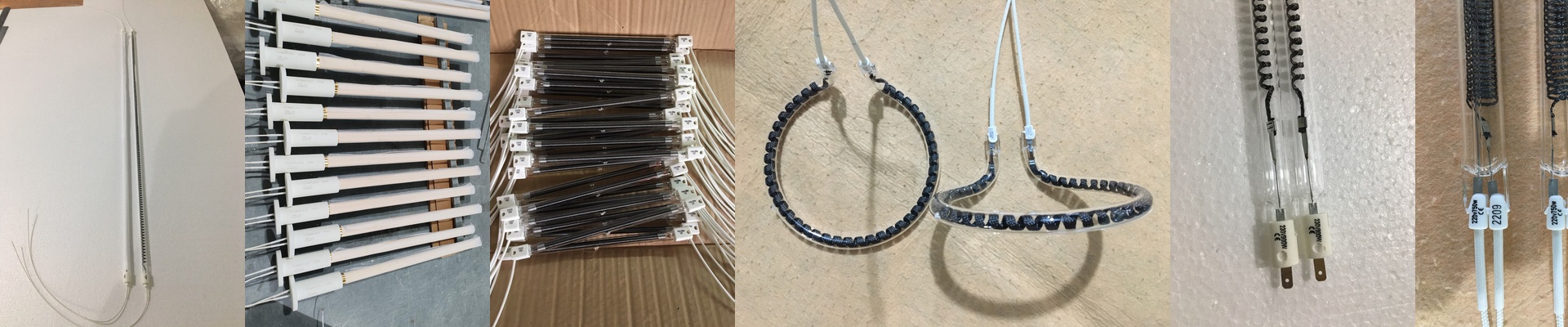
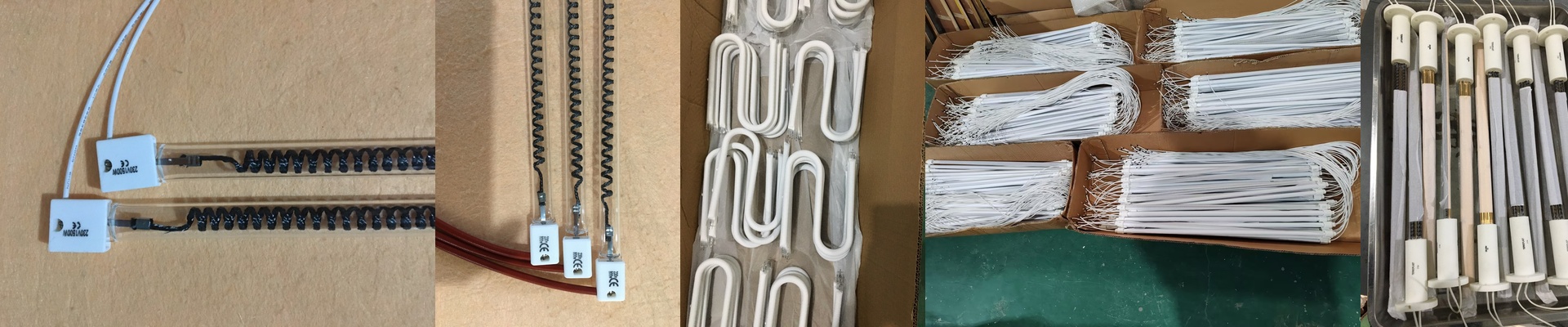
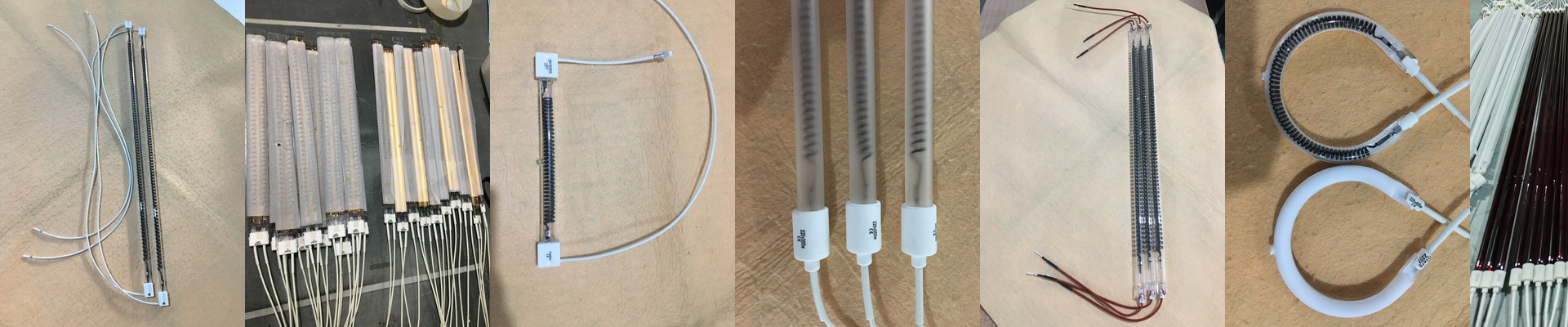
A No-Nonsense Guide to Carbon Heating Tubes
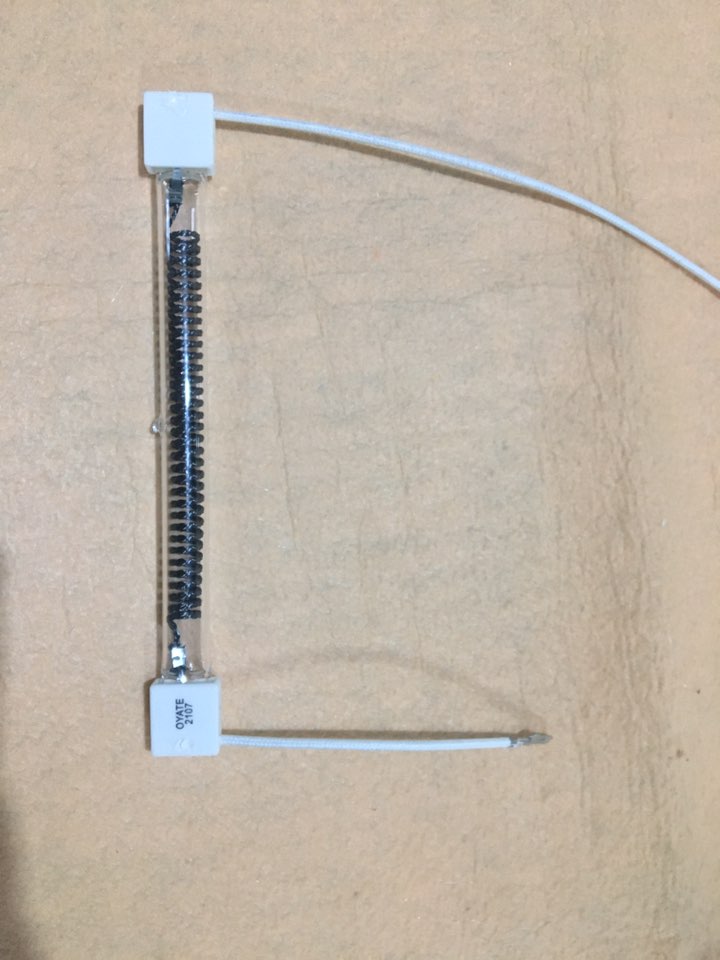
Ever wondered how we get that intense, instant heat without waiting forever for an oven to warm up? That’s where carbon heating tubes come in. Basically, we take a carbon-fiber filament, tuck it inside a quartz glass sleeve, and use electricity to turn it into short-wave infrared radiation. It’s a bit different from those old-school metallic coils. These run on lower voltages but still put out a ton of heat. If you need your equipment to hit top temperature now, this is the way to go.
Getting the Power Right
Here’s the thing: the magic happens in the balance between how long the tube is and how many watts it’s pulling. Want a concentrated, heavy-hitting heat zone for a fast process? Go with a shorter tube and higher wattage. But you’ve got to be careful with your power supply. If you push too much voltage through, the filament thins out and just snaps. On the flip side, if you under-volt it, the heat won’t actually penetrate the material. It’ll feel lukewarm and useless.
What They’re Made Of
We use high-purity quartz for the outer shell because it can handle the shock of extreme heat without cracking. Depending on what you’re actually heating, we can add specific coatings to the glass. This helps tweak the heat spectrum or keeps the tube from getting ruined by chemical splashes. As for the wiring, we stick with R7s or Sk15 bases. Why? Because they’re standard. You can just pop them into most industrial housings. It makes maintenance a breeze since you can swap a tube out without having to rewire your entire rack.
The Trade-offs
You’ll see these all over the place in PET blowing and plastic curing. They hit the target temp in seconds, which means your cycle times drop significantly. Plus, they don’t take up nearly as much space as a traditional heater. But there is a catch. Quartz is brittle. It doesn’t handle vibration or rough handling well. If your machine shakes, the tube might break. Make sure your mounting brackets are rock solid. And please, check your cooling fans. If you’re running high wattage constantly, you don’t want your sockets melting into a puddle of plastic.