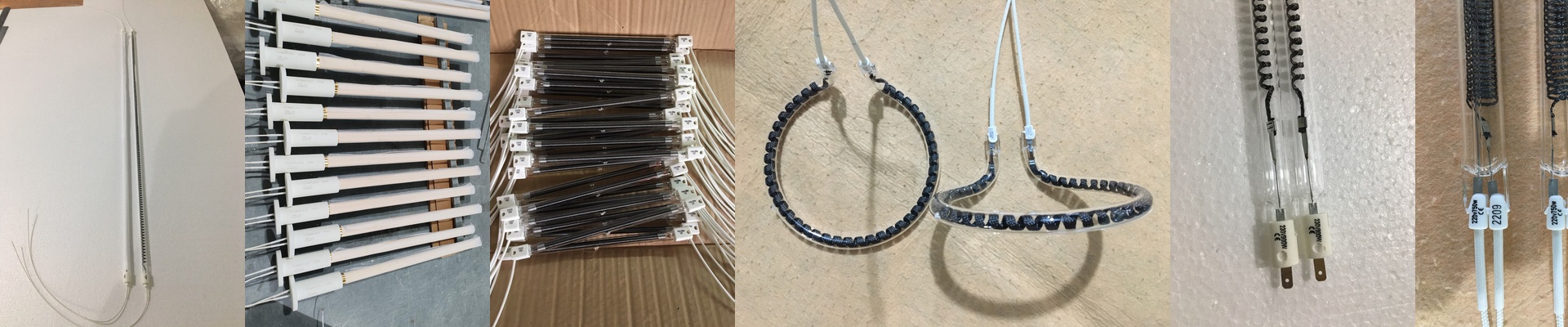
Let’s Talk About Quartz Carbon Heating Elements
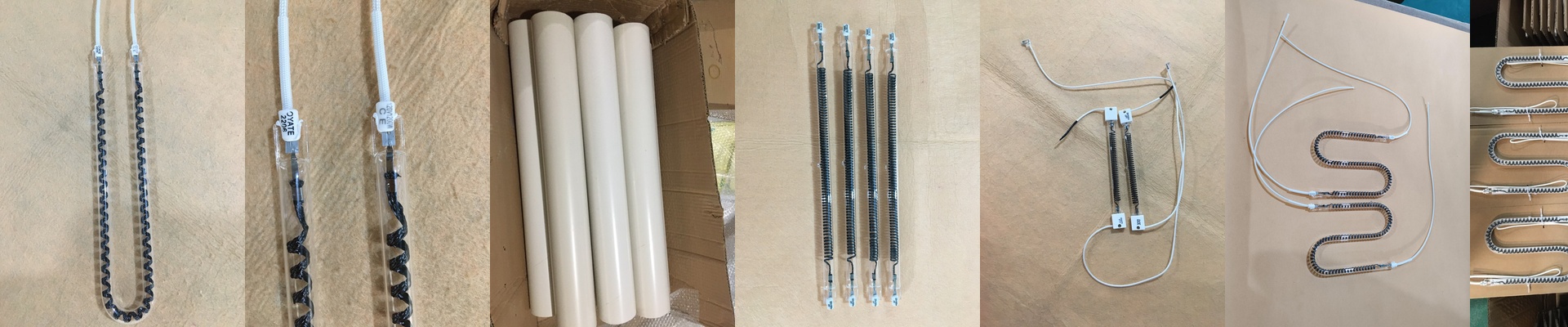
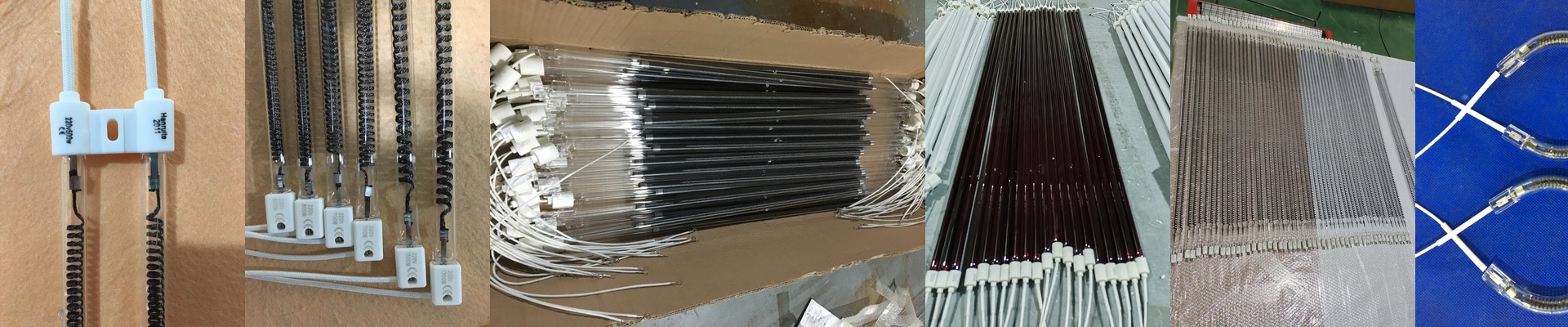
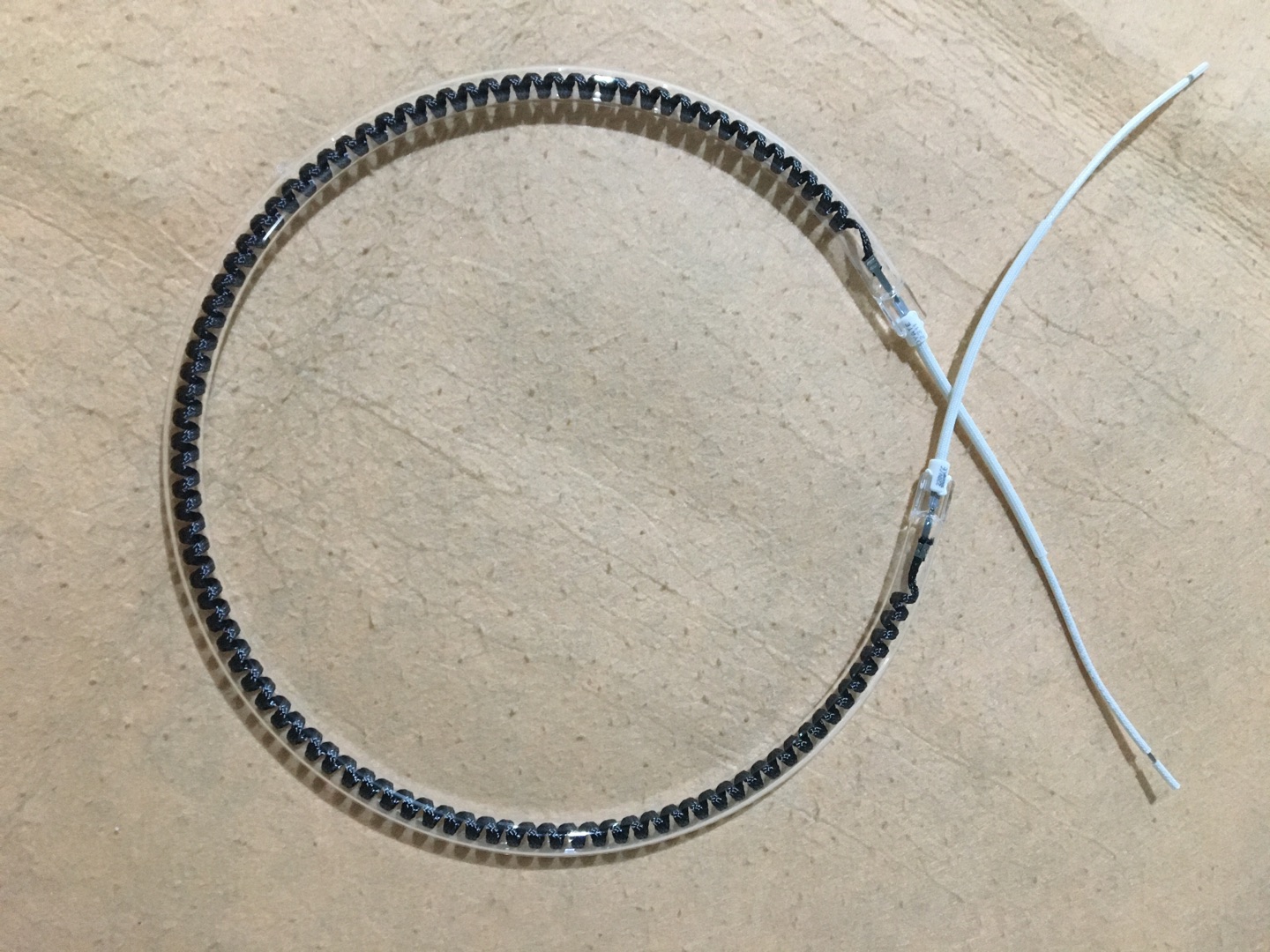
Ever wonder why some heaters just feel… deeper? That’s the magic of quartz carbon elements. Instead of those old-school metal coils, we use a carbon filament tucked inside a high-purity quartz tube. The big difference is how the heat moves. It doesn’t just sit on the surface; it actually sinks into the material. If you need your equipment to heat up fast and stay exactly where you want it, this is the way to go.
Getting the Power Right
Here is the thing: the balance between voltage, wattage, and the length of the tube is everything. Take a 300mm tube pushing 2000W. That’s a lot of heat packed into a tiny space. But you’ve got to be careful with your power supply. If you push too much voltage, you’ll fry the filament. Simple as that. On the flip side, if the voltage is too low, you won’t get that deep heat penetration we’re looking for. Stick to the ratings, and you’re golden.
The Nitty-Gritty on Materials
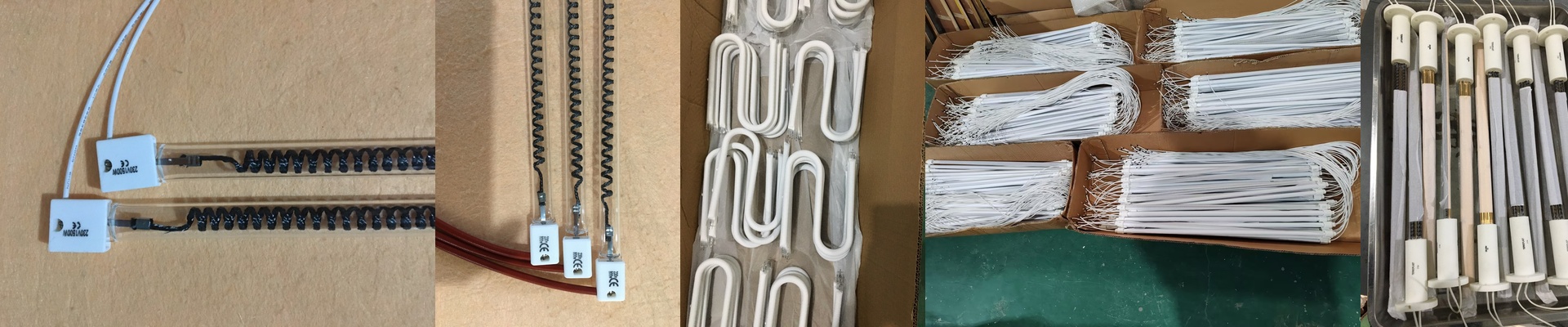
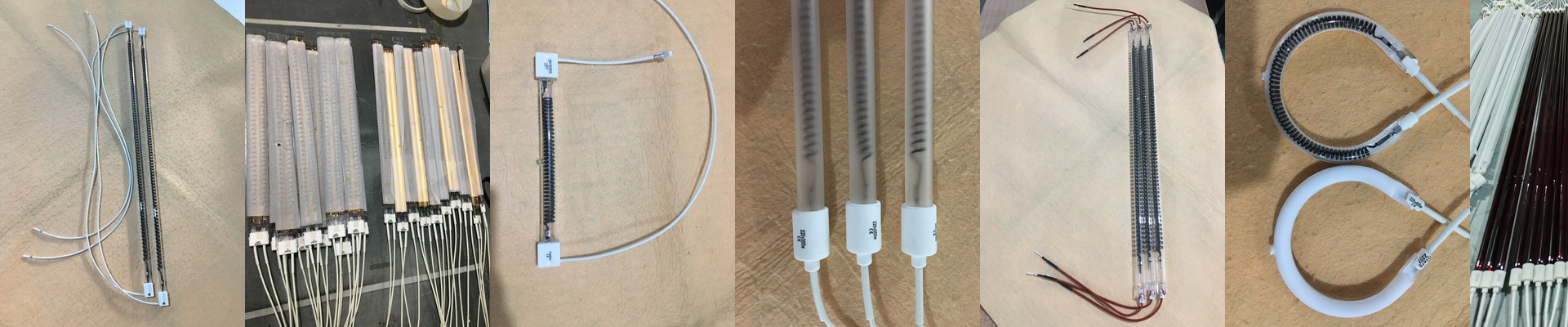
We use quartz glass for a reason. It can handle a massive temperature swing without cracking, and it lets the infrared heat pass through without wasting energy. Sometimes we add a special coating to the tube. This helps tweak the wavelength or just keeps the glass from getting dirty. As for plugging them in, we usually go with R7s or Sk15 connectors. They’re basically plug-and-play. You can swap them into your existing industrial sockets without having to tear apart your whole housing and start over.
Real-World Use (and a few warnings)
You’ll see these all over the place in PET blowing and plastic curing. They hit their target temperature almost instantly, which means your cycle times drop and you get more done. But, there’s a catch. Because these lamps are so intense, they generate a ton of localized heat. If your cooling system isn’t up to the task, you might actually melt the insulation on your wiring. Not a good look. One last tip:**keep your reflectors clean.**If dust builds up on the quartz, it creates hot spots. And hot spots lead to cracked glass. A quick wipe-down saves you a lot of headache later.