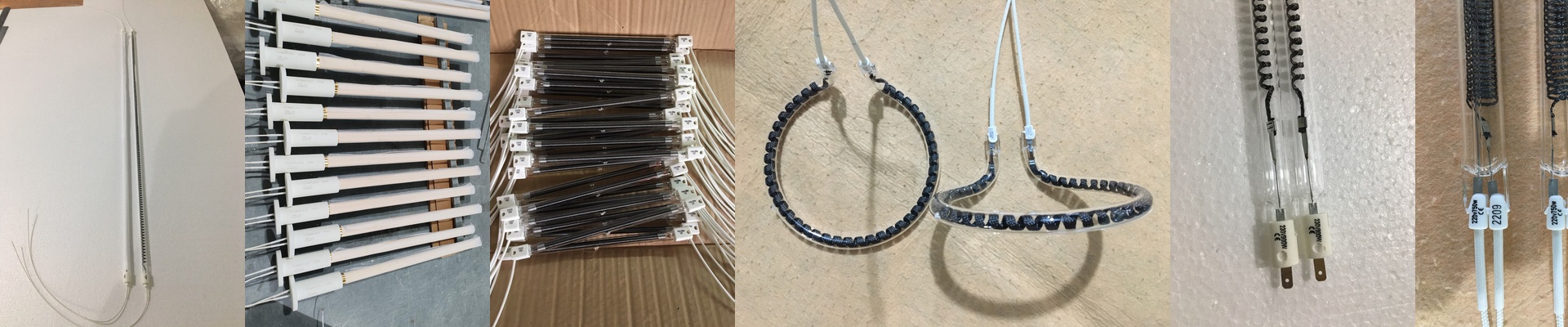
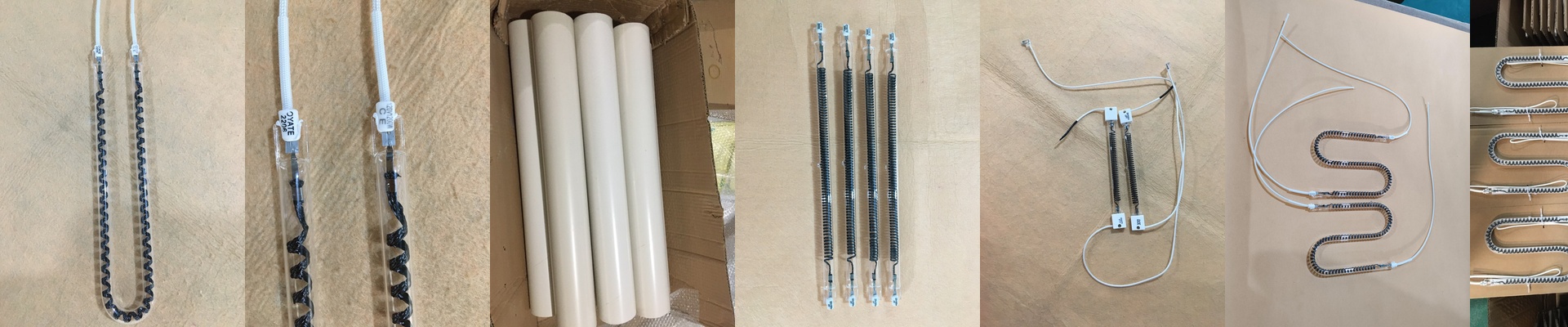
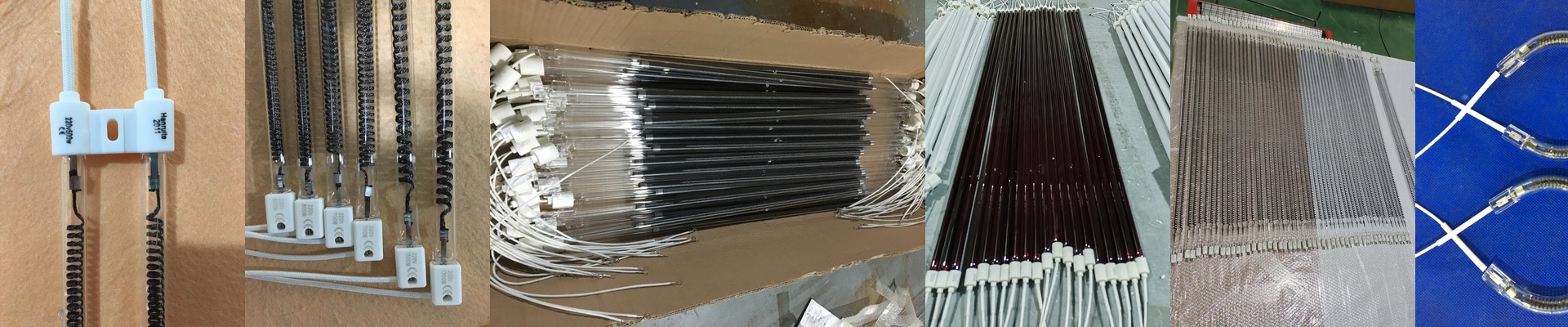
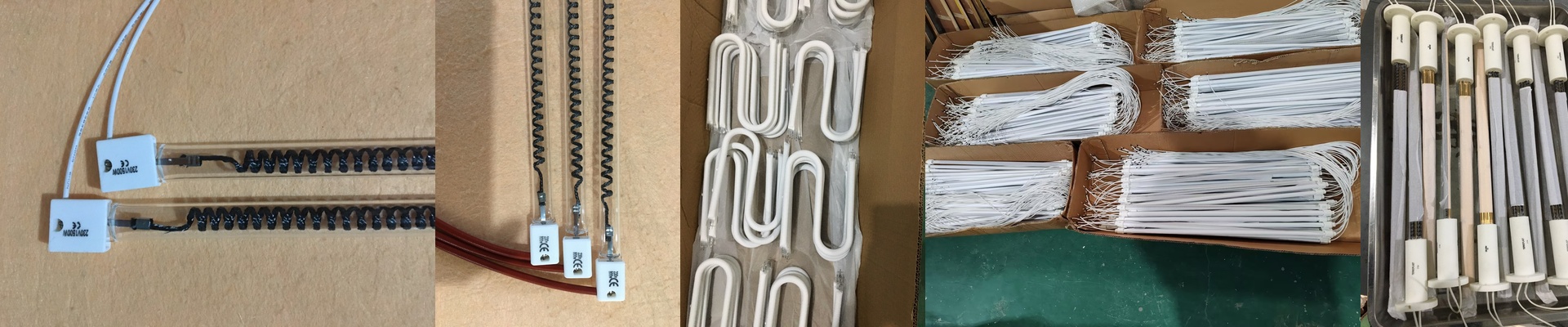
Let’s Talk Carbon Quartz Heating Tubes
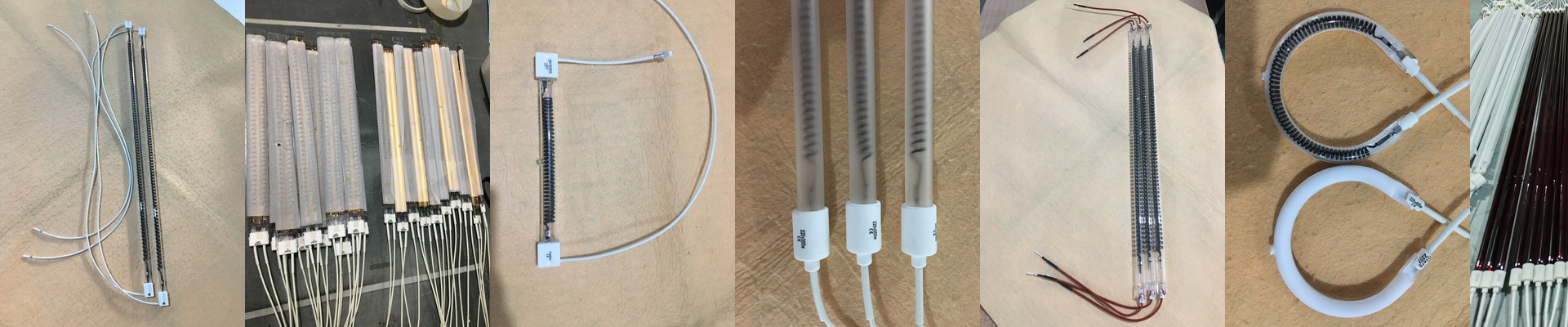
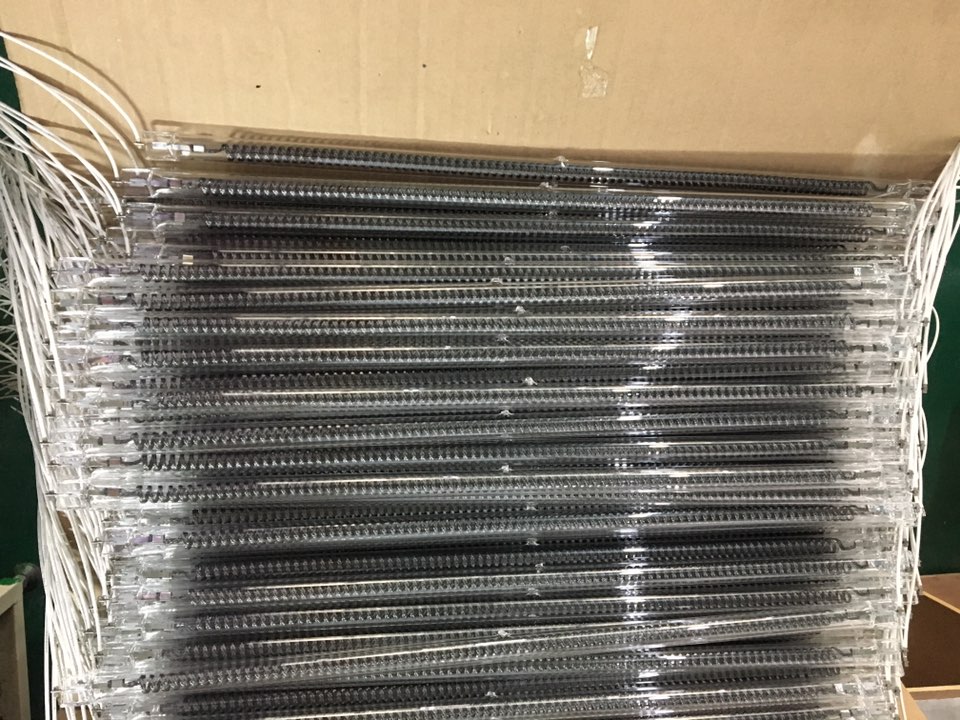
If you’ve ever looked at a standard heating element and thought, “I need this to get hot, and I need it to happen now,” then carbon quartz is where you want to be. Basically, we take a carbon filament and seal it inside a high-purity quartz tube. But here’s the real magic: carbon doesn’t just get hot; it pushes out intense medium-to-long wave infrared heat. It’s a different kind of energy that hits your target much harder than a typical metal coil. Getting the power right When you’re picking out a tube, it all comes down to the dance between voltage and heat. If you go with a higher voltage, you can run longer tubes without losing power along the way. And when you crank up the wattage? That’s when things get exciting. We’re talking about hitting your target temperature in a matter of seconds. Just a heads-up: make sure your power supply actually matches the resistance of the filament. If they’re out of sync, you’re just asking for a burnout, and nobody wants to deal with that on a Tuesday morning. Why quartz? The quartz tube isn’t just there for looks. It does two big jobs. First, it keeps the carbon from oxidizing (which would kill the filament instantly). Second, it lets that infrared heat slide right through without soaking it up. We use fused quartz because it handles “thermal shock” like a pro. You can heat it up and cool it down rapidly, and the glass won’t crack. Plus, if your project needs a specific heat wavelength, we can add coatings to the outside to tweak how the heat hits your workpiece. And don’t worry about the install—the connection points are standard, so they usually just slide right into your existing industrial ovens. The trade-offs (Keeping it real) You’ll see these everywhere—PET blowing, drying lines, curing stations. They’re great because they don’t take up nearly as much space as those clunky ceramic heaters. But, there’s a catch. Carbon filaments are a bit brittle. They aren’t as forgiving as tungsten. If your machine shakes too much or if someone bumps the tube while sliding it in, the filament can snap. It’s a fragile beast. My advice? Secure your mounts tightly. And please, double-check your cooling fans. You need to move the ambient heat away from the ends of the tubes, or you’ll shorten their lifespan.