Pro-Grade Infrared Heating That Doesn’t Cost a Fortune
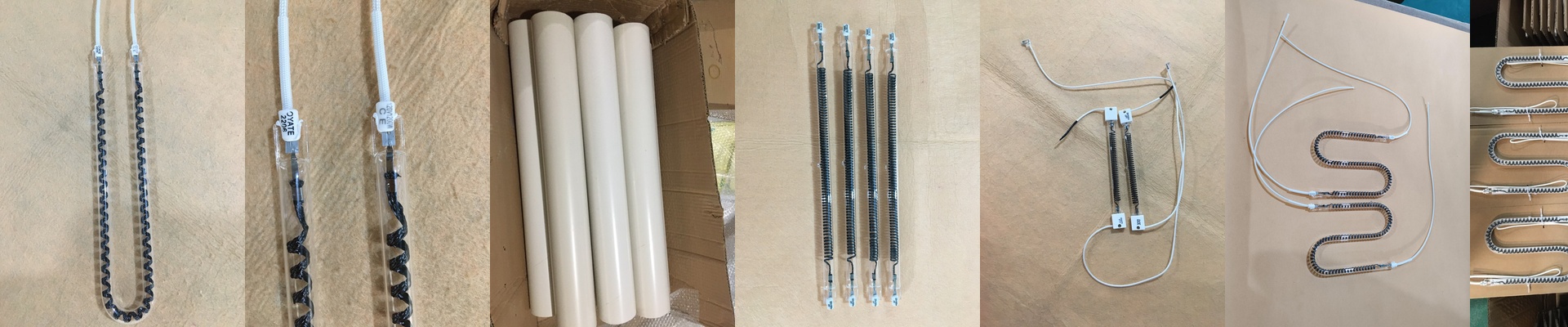
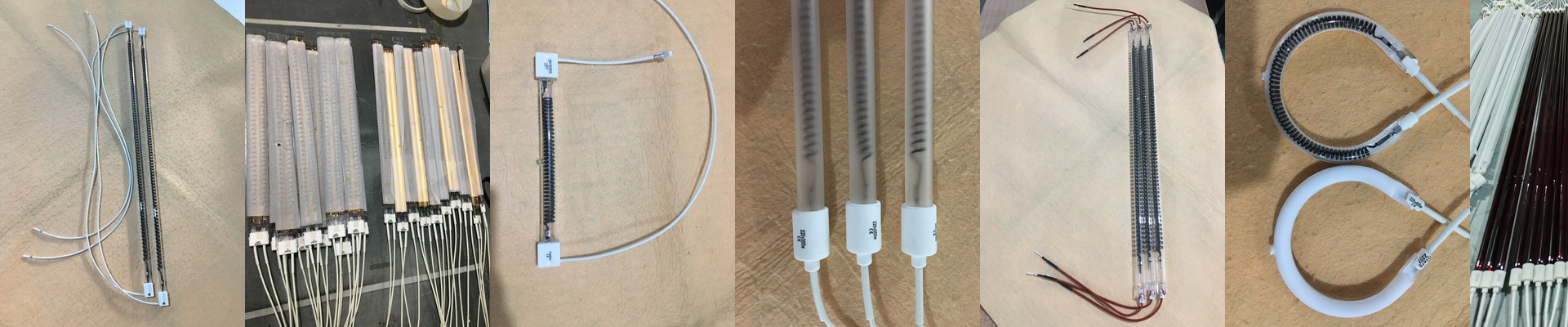
Let’s be honest: most mid-sized electronics shops get shafted when it comes to thermal processing. You’re usually stuck between two bad options. You either pay a ridiculous premium for a “tier-one” brand, or you settle for cheap heaters that leave hot spots and inconsistent results all over your boards. We built our infrared lamps to fix that. You get the same heat density and wavelength control the big players use, just without the inflated price tag.
Let’s talk power
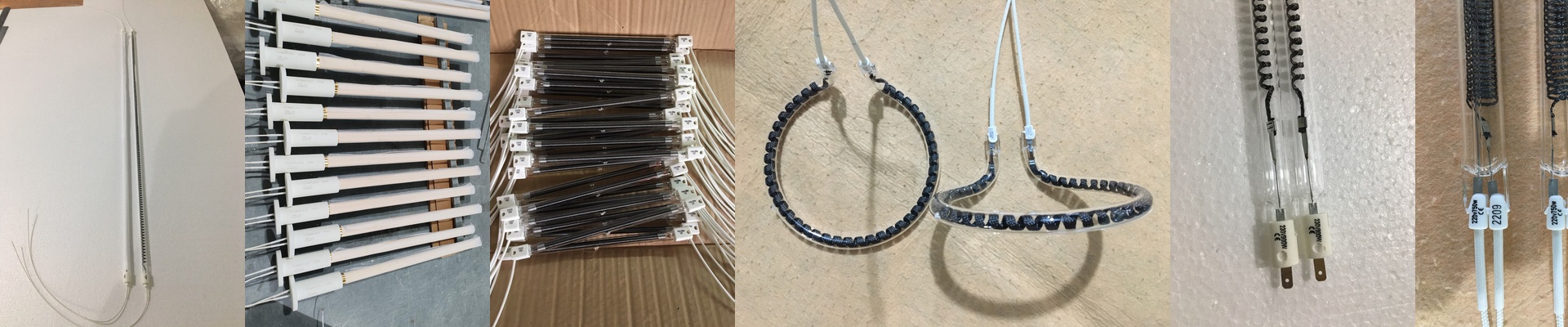
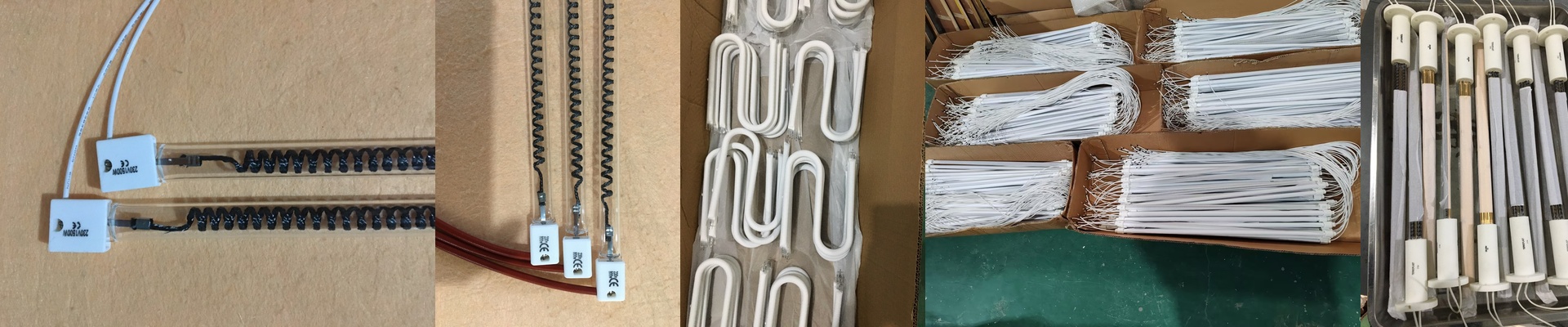
If you’re curing PCBs or drying components, speed is everything. That all comes down to the voltage-to-length ratio. We use high-voltage quartz tubes because they let us cram more power into a smaller space. It means your parts heat up faster, and your throughput goes up. But a quick heads-up: when you’re pushing 2500W through a short tube, things gethot. Really hot. Make sure your chassis venting can actually handle the load, otherwise, you’re just going to fry your controllers.
The gear inside
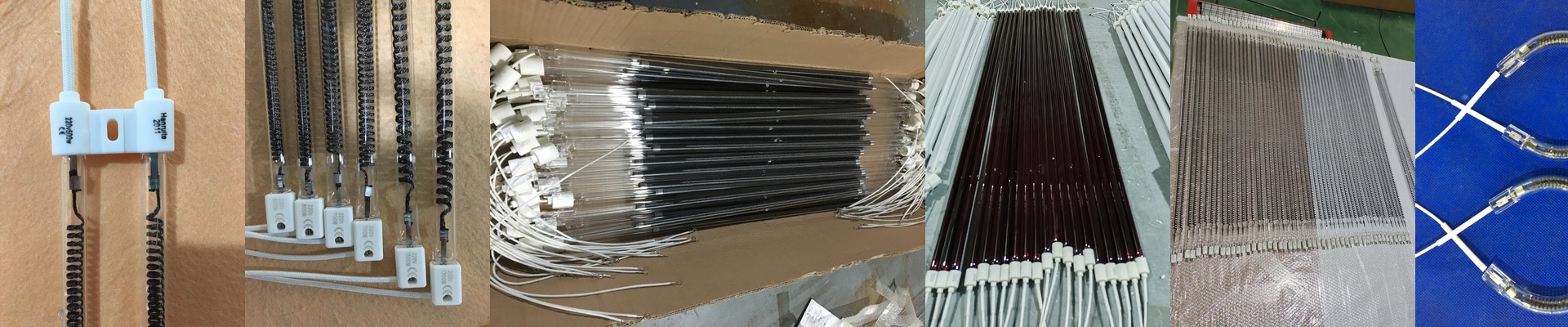
We stick with high-purity quartz glass. Why? Because it stops energy from leaking out. Inside the tube, there’s a halogen cycle that keeps the filament from evaporating too fast. It basically means your lamps last longer, and you aren’t replacing them every other week. As for the connections, we use R7s or Sk15. They aren’t fancy. They aren’t “innovative.” But they work. They’re industry standards, which means you can wire them up fast and swap out a dead tube in minutes without having to tear apart your entire system.
Real-world use
These lamps are designed to be simple drop-in replacements. Whether you’re drying adhesives or pre-heating boards, you want that heat to be uniform. We use shortwave infrared because it actually sinks deeper into the substrate. It’s a professional way to work. You get the precision of a massive factory line, but you keep the agility of a smaller shop. It just levels the playing field.