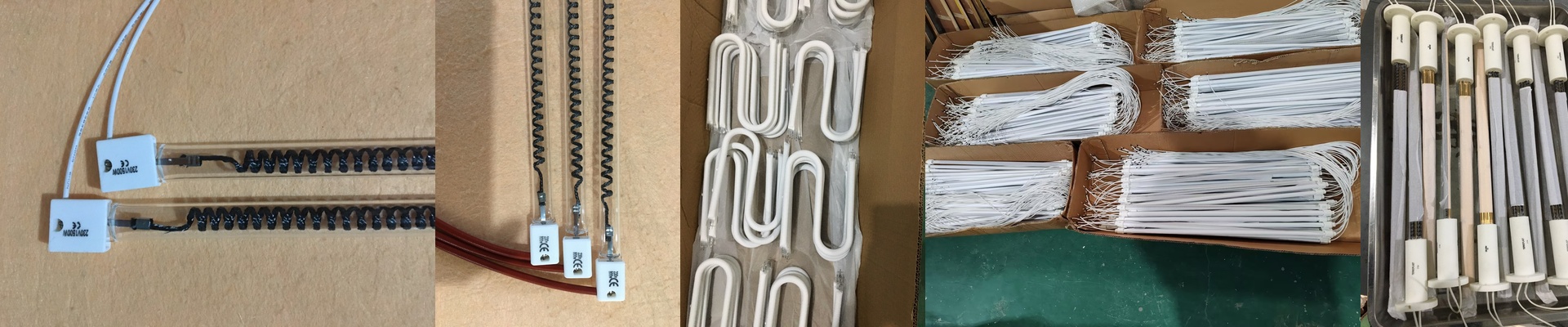
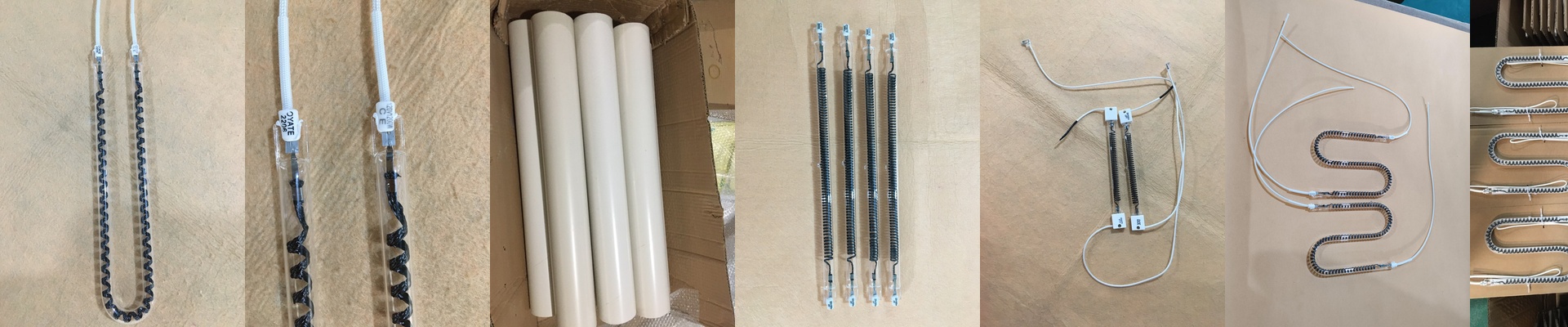
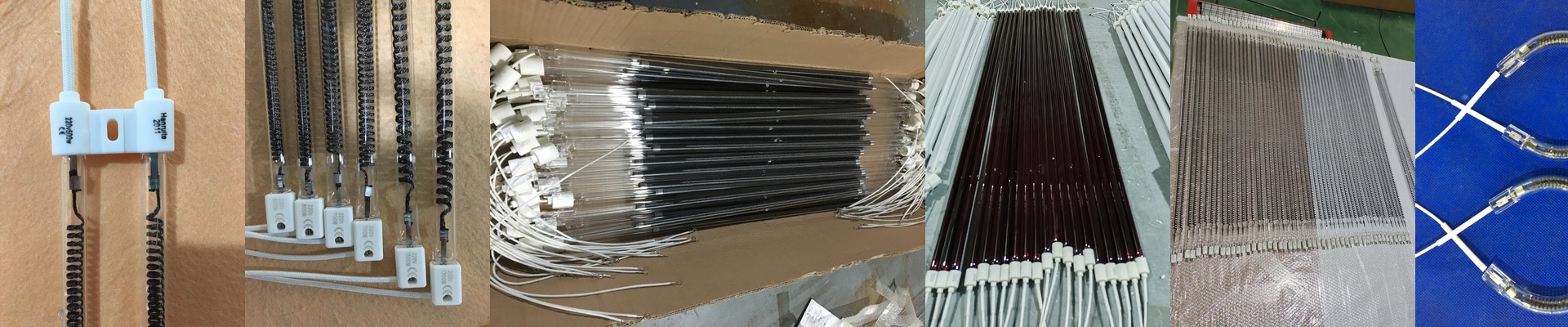
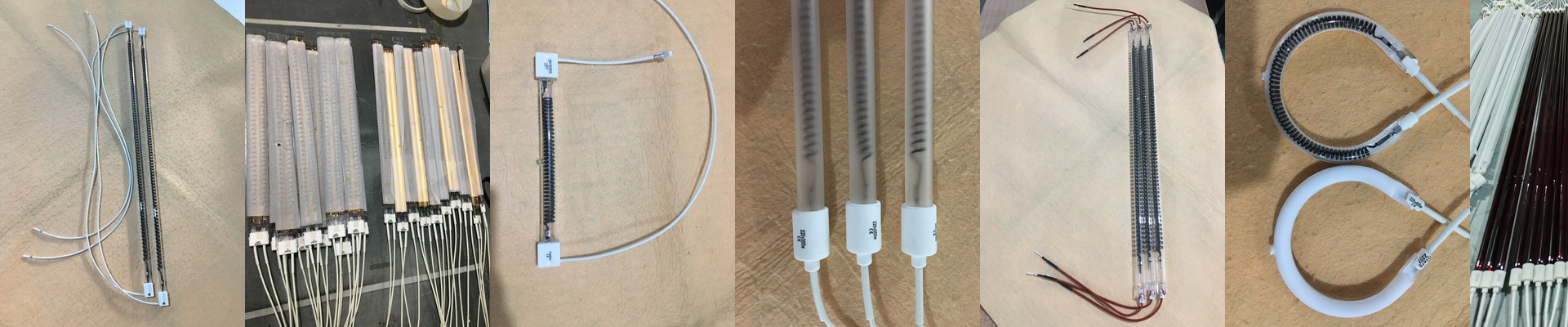
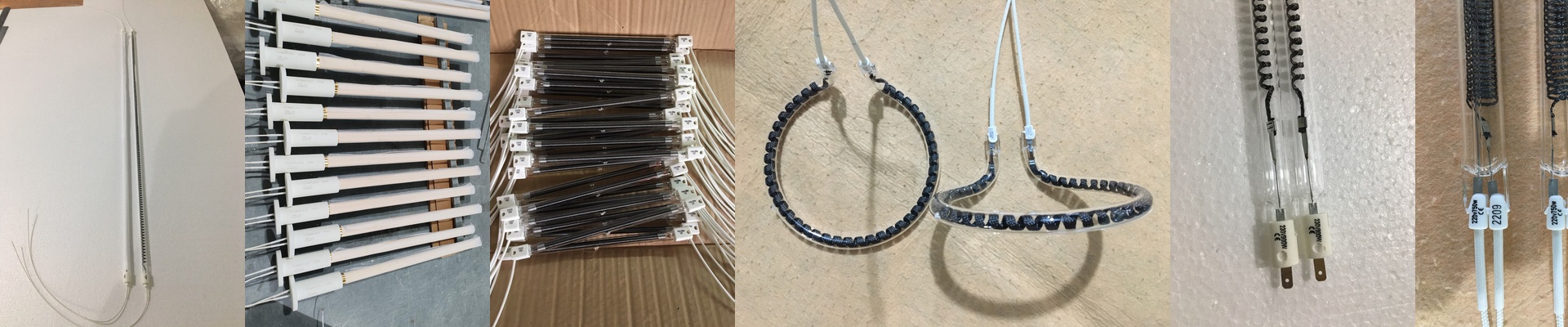
A Real-World Look at Our 750mm Carbon Fiber Heating Elements
If you need heat that hits fast and hits hard, these are for you. We designed these 750mm tubes to run on a standard 220V supply, pumping out 1200W of power. Here is the deal with the tech inside. Most people are used to those old tungsten coils. We ditched those for carbon fiber filaments. Why? Because tungsten is brittle. If your machine vibrates—which, let’s be honest, most industrial gear does—tungsten tends to snap. Carbon fiber doesn’t have that problem. It keeps the heat steady and stays intact. Just a heads-up: since you’re pulling 220V, make sure your circuitry is stable. Voltage spikes are the enemy here, and they’ll fry the ends of your tubes if you aren’t careful. The magic is in the infrared. We wrap the carbon fiber core in high-purity quartz glass. This isn’t just for looks. The quartz lets the short-wave infrared radiation fly right through without losing steam. The best part? This kind of heat doesn’t just sit on the surface or warm up the air around it. It actually penetrates the material you’re heating. It’s a much more direct way to get the job done. A few tips for when you install them. These are basically drop-in replacements for your existing IR arrays, but don’t just jam them in. Be gentle with the mounting clips. If you put too much pressure on the glass, the tube will snap as it expands from the heat. Trust me, you don’t want to be replacing a shattered tube mid-shift. And please,give them room to breathe. 1200W puts off a massive amount of heat. If you pack these too tightly without any airflow, you’re going to melt your plastic parts or bake your own wiring. Take a minute to check your thermal footprint before you wire up a whole bank of them. One last thing: check your controller. If it can’t handle that initial surge of current when they kick on, you’ll be replacing fuses more often than you’d like.