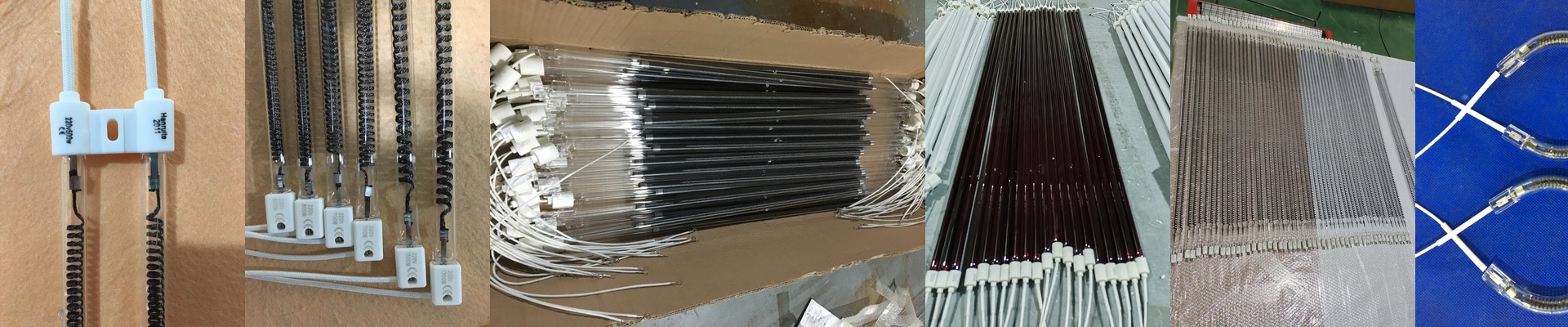
Let’s Talk Carbon IR Lamps
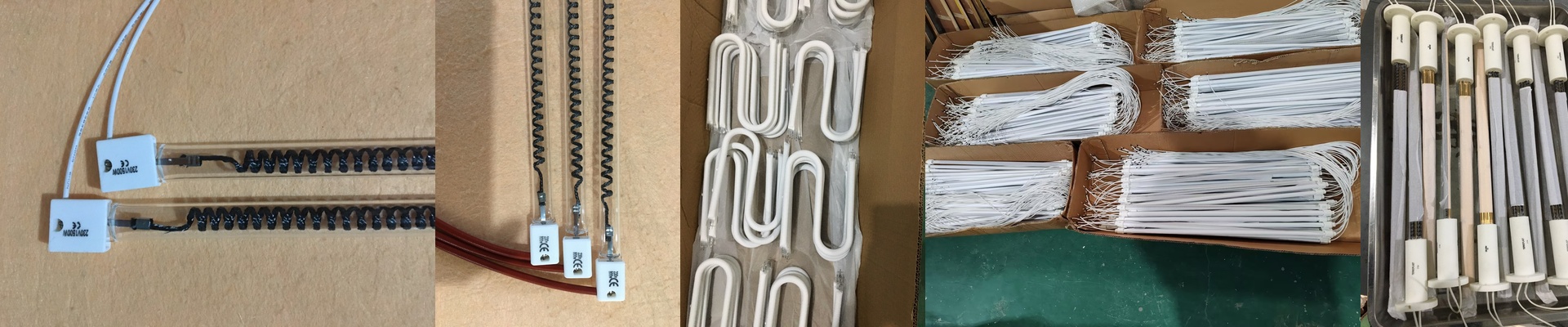
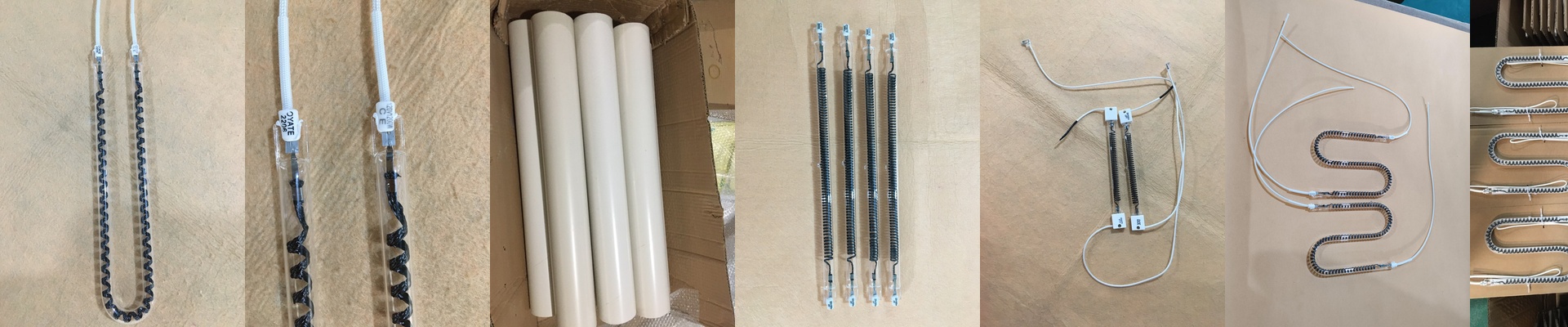
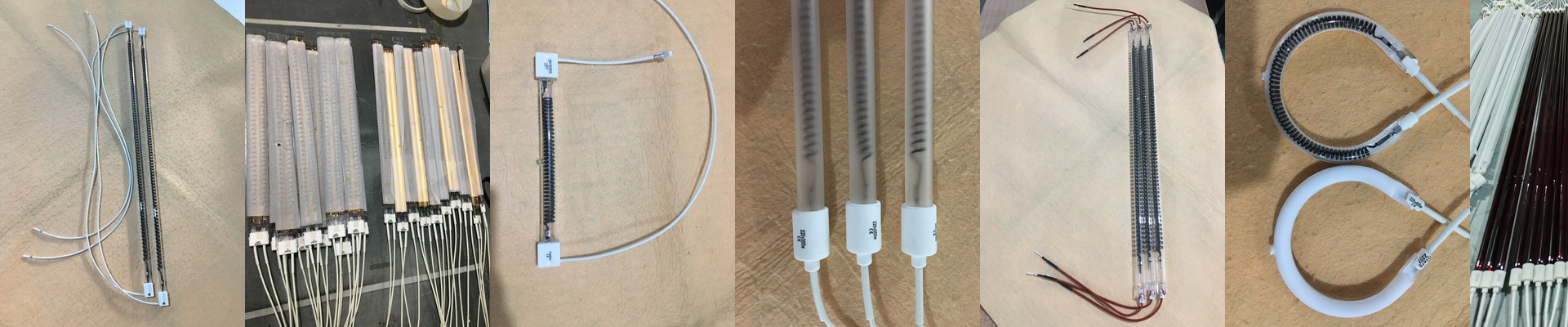
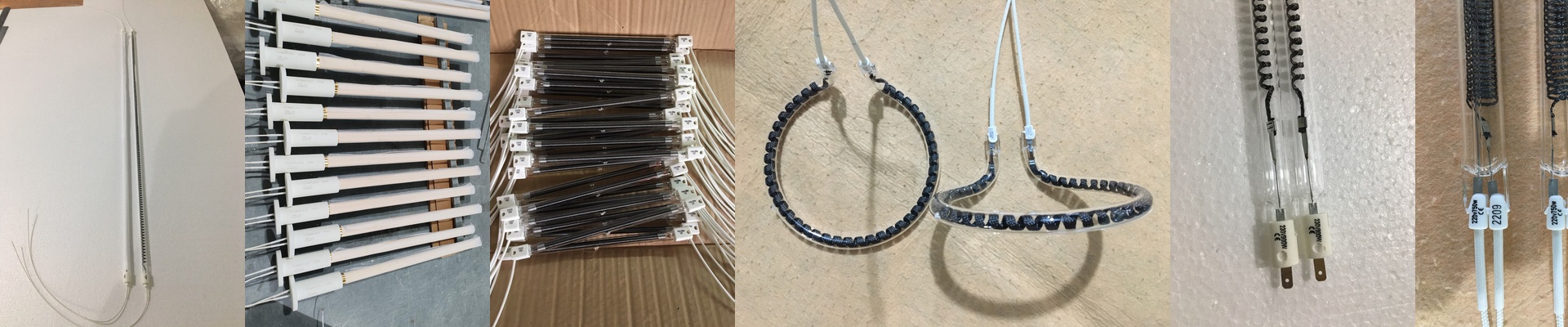
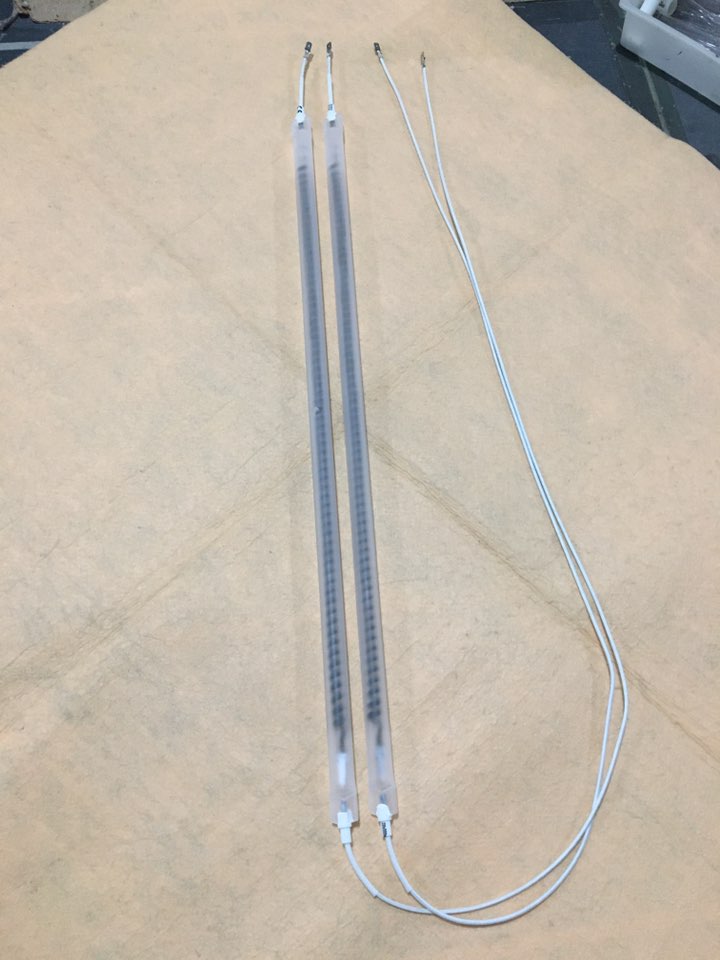
If you’ve ever used traditional metal coil lamps, you know the drill. But carbon IR lamps are a different beast. Instead of metal, we use a carbon fiber heating element tucked inside a quartz tube. Here is why that matters: they don’t need to get nearly as hot to get the job done. They pump out a ton of medium-wave infrared energy, which is perfect when you need heat to soak deep into a material—and you need it to happenright now.
Getting the Power Right
When we’re figuring out the specs for your setup, it all comes down to heat flux. We usually run these at 230V or 400V because that’s how you hit your target temps in a matter of seconds. But there’s a catch. If you’re using a long tube—anything over 500mm—you have to be careful. You’ve got to balance the voltage against the filament resistance, or you’ll end up with annoying hotspots. And a quick tip: check your power supply. These lamps have a big “inrush current” the moment they kick on. If the voltage doesn’t match the wattage, you’re either going to be sitting there waiting for it to warm up, or you’ll burn the lamp out before the shift is even over.
The Nitty-Gritty: Glass and Plugs
The quartz glass isn’t just for show; it keeps the carbon from oxidizing and dying. Depending on what you’re heating, we can add a gold or blackened coating. It basically tweaks the light so your material absorbs the heat more efficiently. As for the plugs, we stick with R7s or Sk15 connectors. Why? Because nobody wants to rewire an entire rack just to swap a bulb. They just slide right in. Plus, they’re built to handle the glass expanding and contracting as it heats up and cools down. It’s a simple, secure fit.
The Trade-off
Look, these lamps are incredible for things like PET blowing or curing paint because they pack a massive amount of heat into a tiny space. But that intensity comes with a price. The housing takes a real beating. If you don’t get your cooling fans and heat shields dialed in, you’re asking for trouble. When the air around those connectors gets too hot, the terminals start to degrade. Keep the air moving, and your lamps will actually last.