Getting the Most Out of the 1000W Carbon Fiber Heating Tube
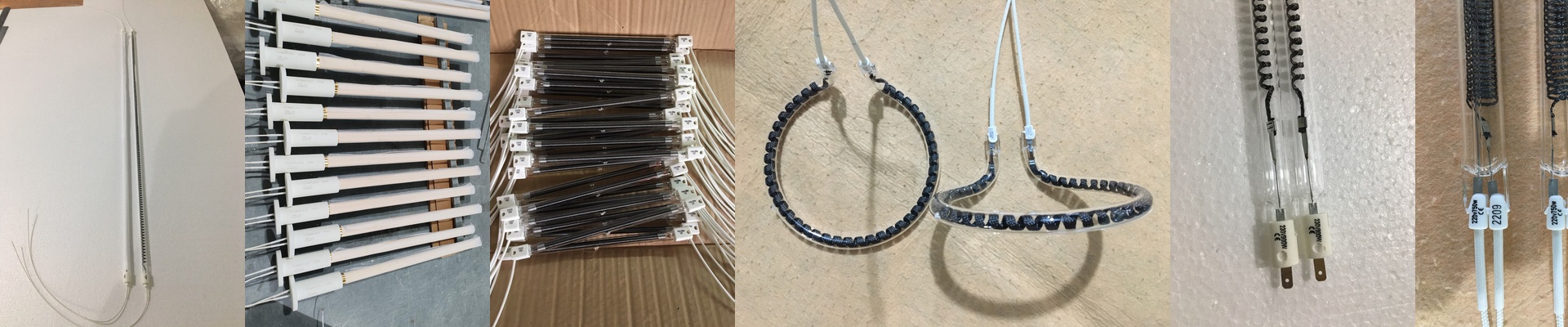
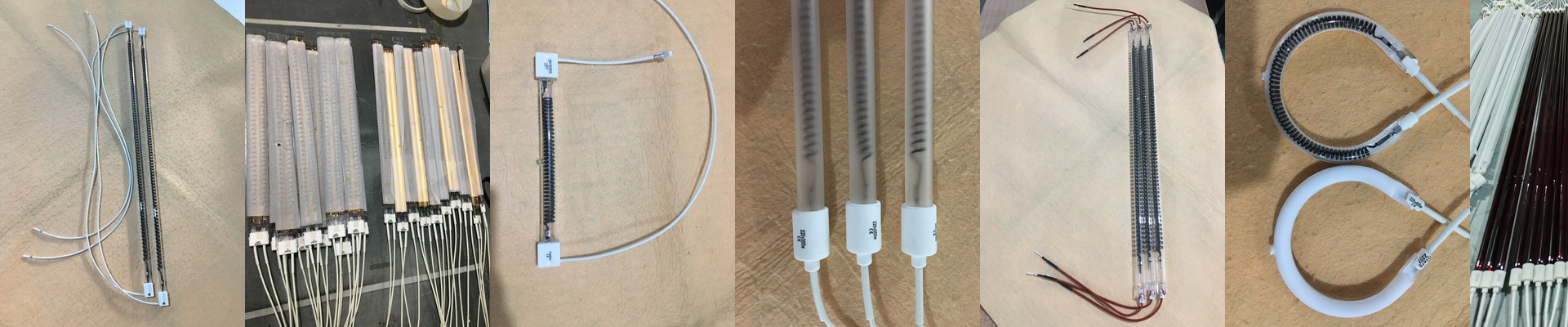
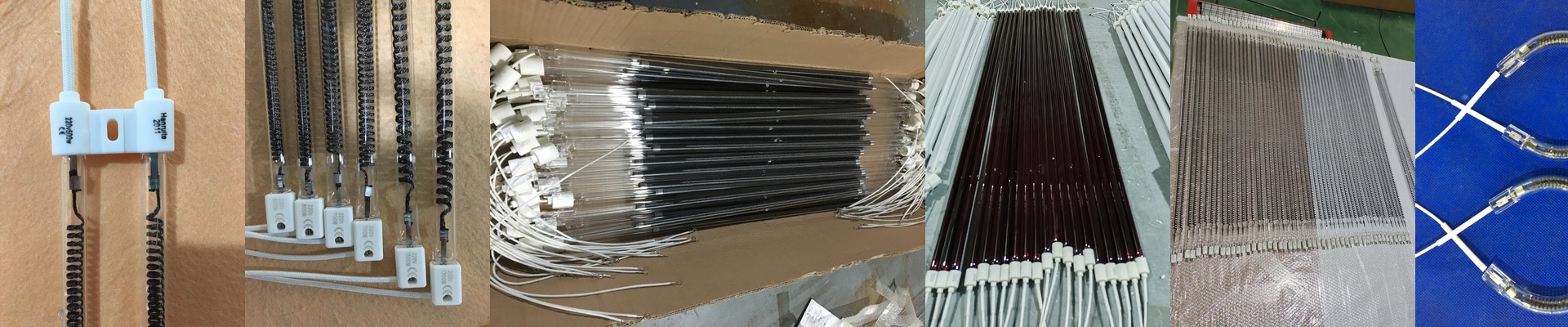
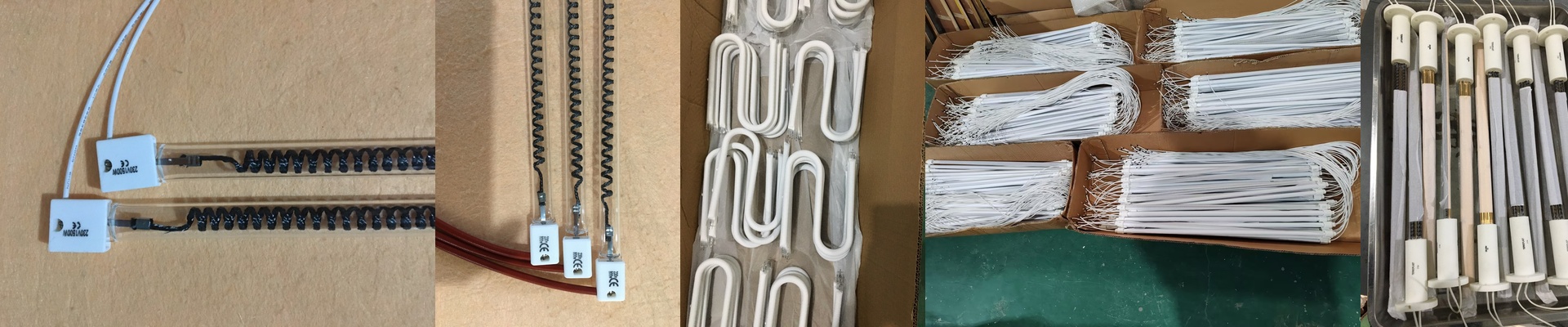
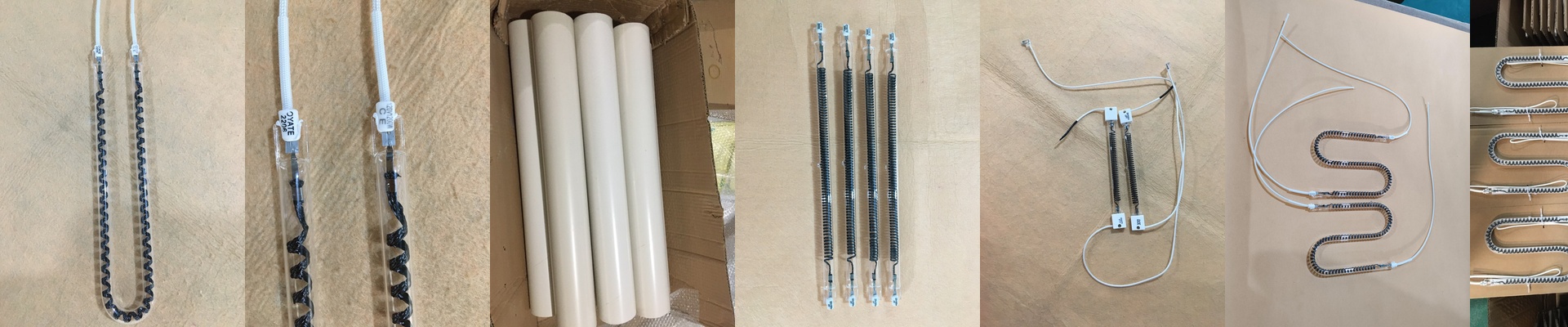
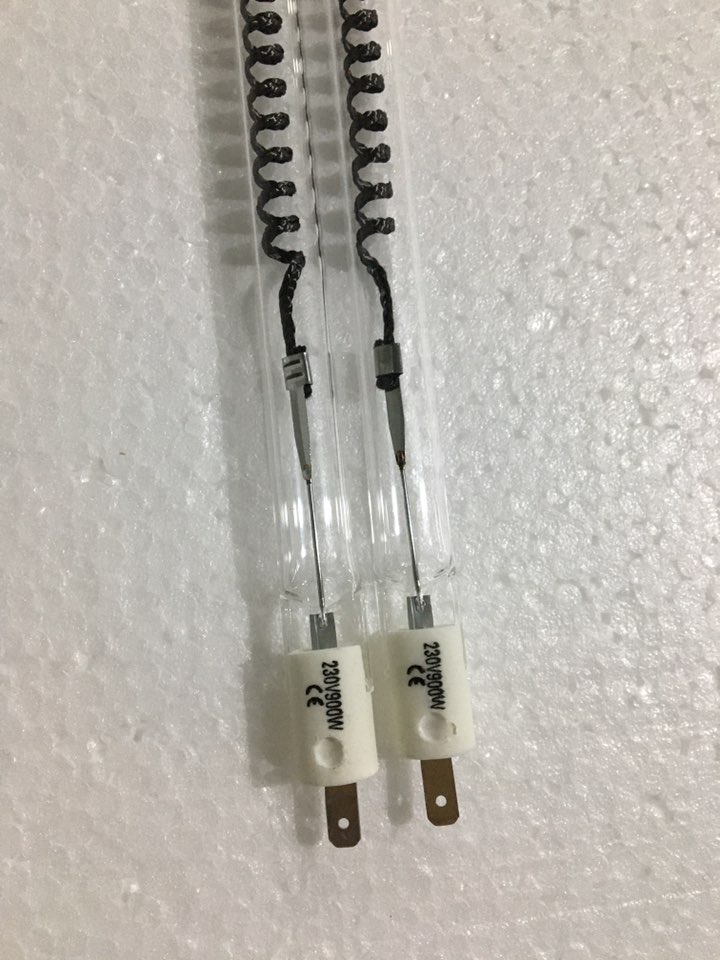
If you’re dealing with heavy thermal loads and you can’t afford to wait around for your equipment to warm up, you’re going to love these. Instead of the usual metal alloy coils, we use a carbon fiber filament tucked inside a quartz envelope. It’s a different beast entirely. It hits its target temperature way faster and puts out a specific kind of infrared heat that actually sinks into your materials rather than just sitting on the surface. The power side of things Packing 1000W into a tube this small creates a lot of concentrated heat. Because of that, you’ve got to keep an eye on your power supply. If you get those nasty voltage spikes, you’ll fry the filament. And a quick tip: watch your airflow. If you’re stuffing these into a tight enclosure without any vents, that trapped heat will eat away at the tube’s lifespan. Give it some room to breathe. What’s actually happening inside The carbon fiber core does all the heavy lifting. It runs hotter than your standard nichrome wire, which pushes the heat into that medium-to-long wave IR range. The quartz glass is there to keep oxygen away from the filament so it doesn’t burn out, but it’s clear enough that the heat passes right through. We also put reinforced seals on the end caps. If gas leaks in, the filament snaps. Simple as that. Putting it to work You’ll mostly see these in PET blowing, plastic welding, or drying tunnels. If you’re still using old halogen systems but need more punch in a smaller footprint, these are a great swap. Just pair them with a PID controller if you need to dial in specific temperature zones. One last thing—be gentle. That quartz glass is tough against heat, but it hates vibrations. If your machine shakes, the glass can crack. When you’re installing them,**don’t tighten the mounting clips too much.**Leave a little wiggle room so the tube can expand as it heats up.