Built for the Tight Spots, Built for the Heat
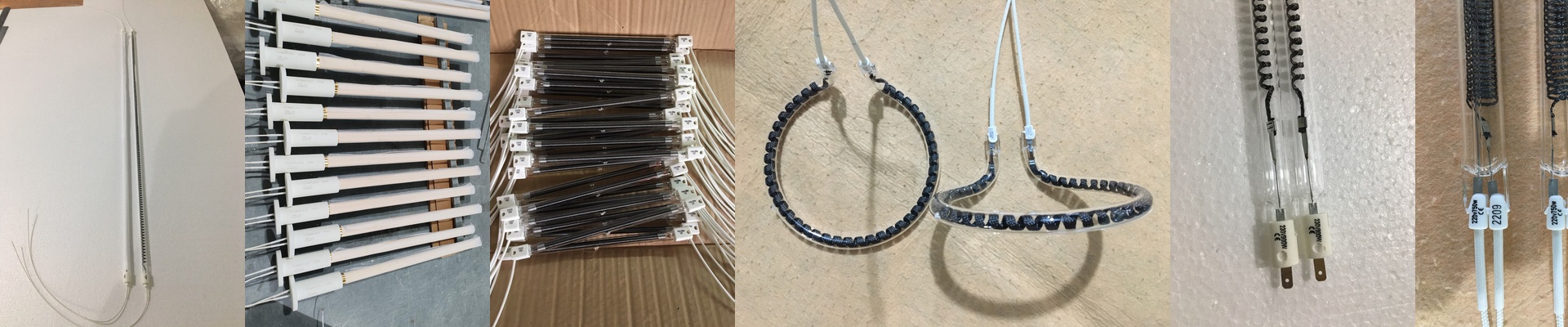
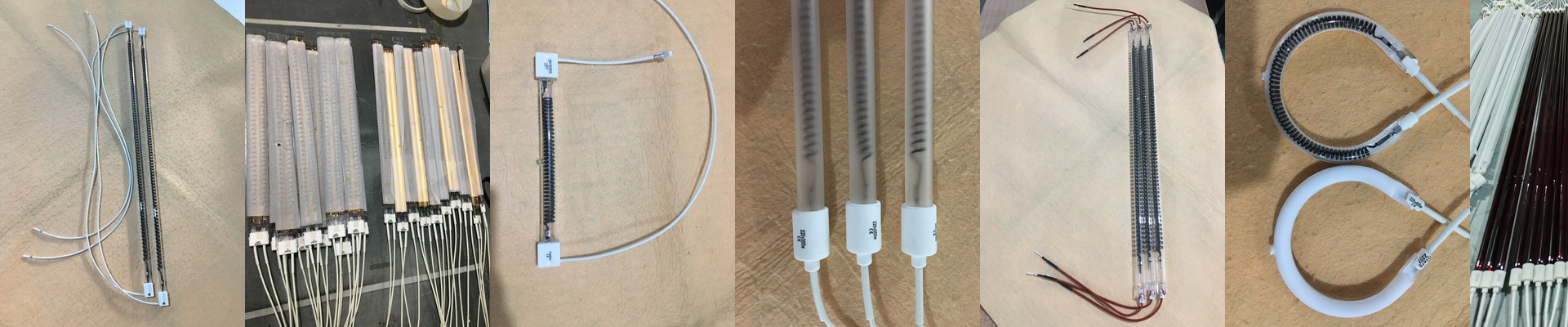
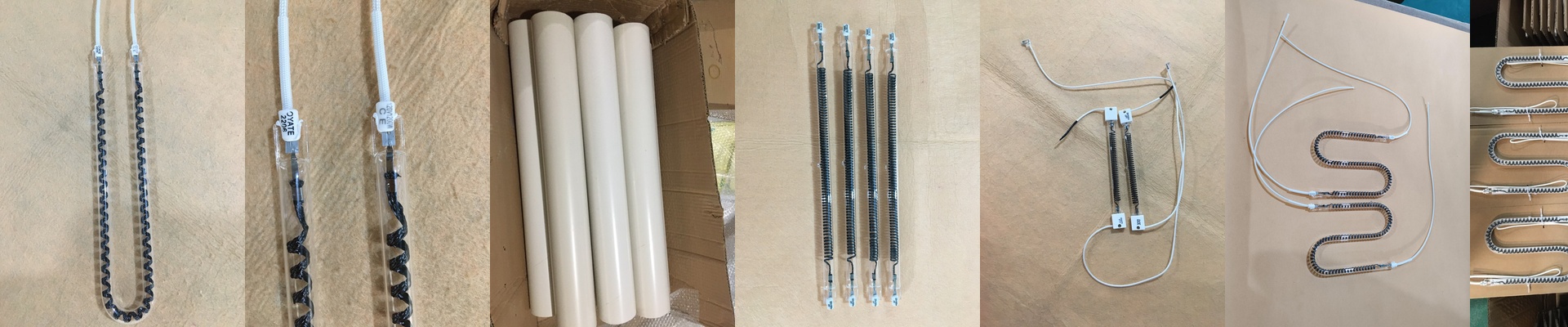
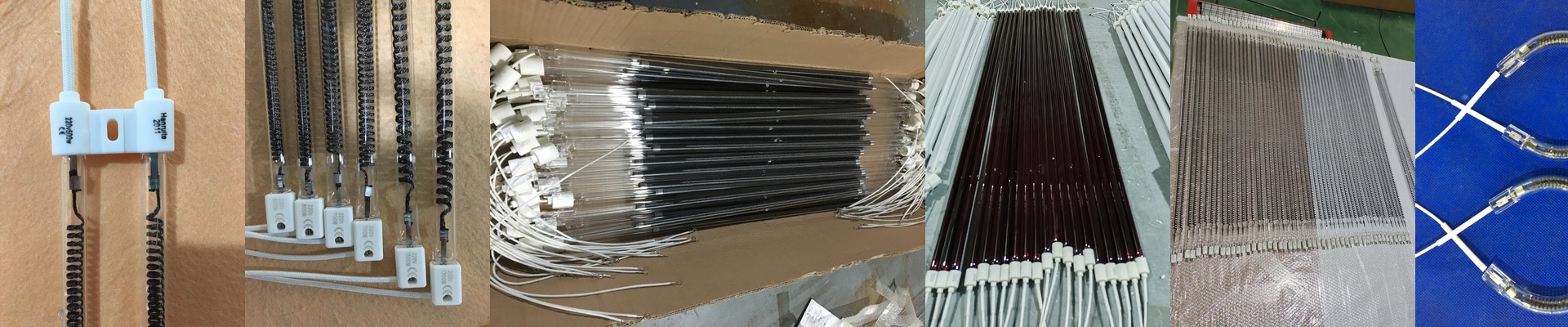
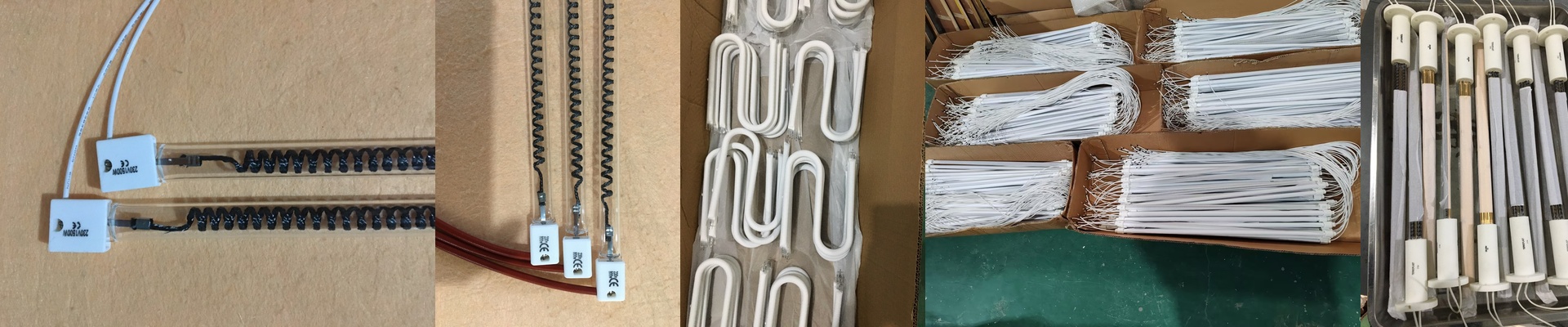
We designed these carbon halogen quartz tubes for one reason: to deliver serious heat where space is at a premium. Think about those industrial heating jobs where you just can’t fit a bulky heater, but you absolutely need raw power. So we built a unit that packs 2500W into a 400V setup, all squeezed into a tidy 300mm length. It’s the kind of power that lets you get a lot of heat out of a small footprint. But here’s the thing—that kind of punch means you’ve got to be ready for it. The machine’s electrical feed and cooling system need to be up to the task, otherwise things will run too hot. That 300mm length? It wasn’t an accident. It’s long enough to cover the exact spot you need to heat, but short enough to slip into tight blocks and cramped cavities without a fight.
The Heart of the Matter: What It’s Made Of
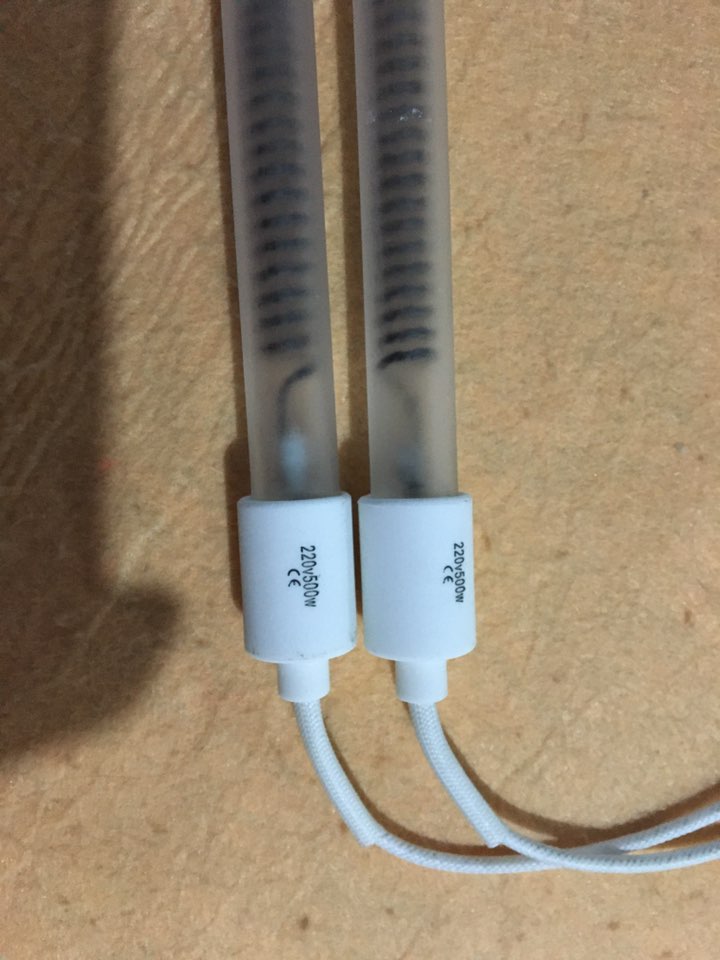
The core of the tube is a quartz envelope. It’s the perfect choice because it takes high temperatures in stride and stays steady, even when you’re heating up and cooling down fast. Inside, the carbon halogen element puts out a broad infrared spectrum. In plain terms? You get faster heating and more consistent temperature control on the part you’re working on. We also added a specialized coating to the quartz. It helps manage the emissivity and shields the filament from chemical attack. That means the tube lasts longer, even when it’s facing harsh atmospheres or contaminants. And the connector? We went with the R7s for a reason. It’s direct, rigid, and secure. It wires up easily and keeps everything perfectly aligned inside the reflector assembly.
Where It Shines (And What to Watch For)
You’ll find these tubes hard at work in places like PET blowing, plastic welding, and packaging machinery. They’re all about rapid, localized heating. The combo of 2500W, 400V, and that shortwave infrared profile gets you to operating temperature fast—and then holds the setpoint with a tight grip. The R7s termination makes swapping one in a snap, which means less downtime. But let’s be real—there’s a trade-off. That high heat density demands proper heat management. If the surrounding components aren’t built to handle the thermal load, the whole system will run hot, and you’ll shorten the life of those parts. So size your cooling and mounting accordingly. Get that right, and you’ve got a workhorse that performs.